


Algeria Showcases its Timeless Craftsmanship at the 39th Surajkund International Crafts Mela, India
✍️ 𝓑𝔂: 𝓓𝓻. 𝓗𝓪𝓷𝓪 𝓢𝓪𝓪𝓭𝓪
𝓐𝓵𝓰𝓲𝓮𝓻𝓼 – 𝓕𝓮𝓫𝓻𝓾𝓪𝓻𝔂 𝟐𝟎𝟐𝟔 – Amid the vibrant swirl of colors, rhythms, and artistic ingenuity that define the 39th Surajkund International Crafts Mela, Algeria stands as a living testament to a civilization steeped in centuries of artisanal mastery. From January 31 through February 15, 2026, the Algerian delegation joins fifty other nations at this globally renowned platform, offering the world a window into a nation whose crafts are more than mere objects—they are an enduring expression of identity, history, and collective memory.

The Algerian artistic heritage is a complex mosaic, forged at the crossroads of Mediterranean, Arab, Berber, Ottoman, and Andalusian influences. It embodies both the tangible and intangible, spanning traditional crafts such as copper work, pottery, textile weaving, embroidery, jewelry, leatherwork, wood carving, and palm-leaf craftsmanship. Each of these crafts is imbued with centuries of refinement, reflecting regional distinctions and a deep historical consciousness.


A Journey Through Algeria’s Artisan Legacy
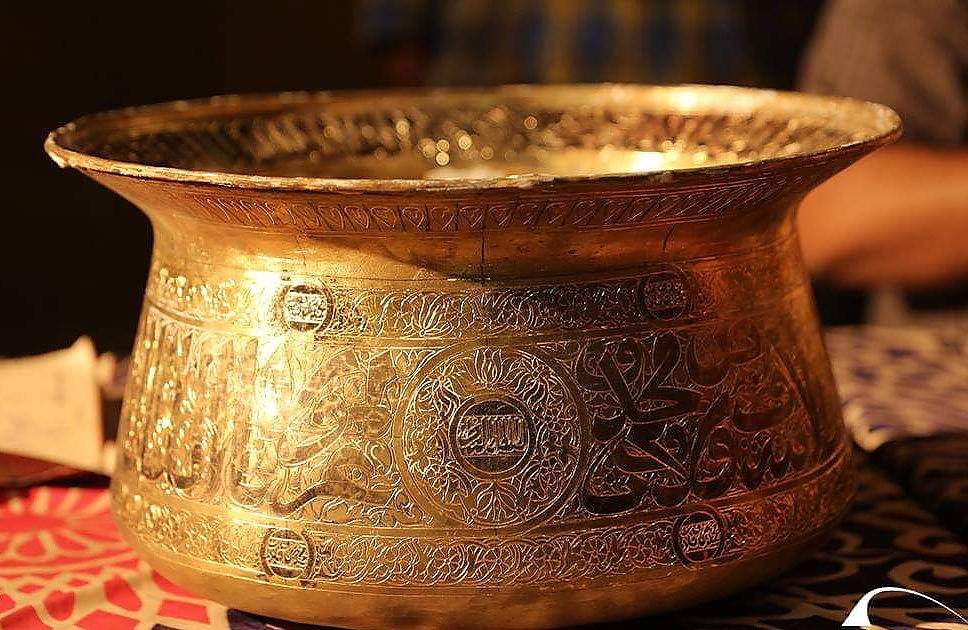
Copper Work: The Rhythm of History
The craft of copper work, celebrated in cities like Constantine, Tlemcen, and Algiers, represents one of Algeria’s most enduring artistic legacies. Artisans shape sheets of copper using traditional techniques of hammering and engraving, producing both functional utensils and decorative masterpieces. Beyond mere utility, these works encapsulate a historical dialogue—every engraved motif, hammered texture, and patterned tray resonates with centuries of Algerian cultural memory. The rhythmic echo of hammer on metal, heard for generations, is itself a soundtrack of heritage, linking the modern artisan to the masters of the medieval era.
Pottery and Ceramics: An Ancient Language of Form and Color
Algerian pottery traces its roots to the Neolithic period, evolving through millennia to incorporate innovations from the Iron Age, Andalusian migrations, and Islamic artistry. Each ceramic piece reflects an interplay between material and imagination, from utilitarian vessels to intricately decorated objects. The heritage of Algeria’s ceramic tradition is distinguished by a synthesis of aesthetic sensibility and technical precision—geometric patterns, vegetal motifs, and calligraphic inscriptions converge to produce works that are at once functional and profoundly symbolic. Pottery in Algeria is not only an artistic practice; it is a chronicle of human settlement, trade, and adaptation across centuries, preserving the memory of communities long past.


Textiles and Carpets: Woven Testimonies of Identity
Algeria’s textile arts are among the most emblematic of its cultural identity. Carpets (z’rabi) from the highlands of Jebel Amour, the oases of Ouargla, and the Kabylie region exemplify the extraordinary diversity of techniques and motifs. Each region has cultivated its own symbolic language: the carpets of Tlemcen, for example, feature repeating geometric units in muted tones of black and deep blue, whereas those of Ouargla celebrate desert life with vibrant shades of red, green, pink, and ochre. Similarly, the carpets of Ghardaïa, crafted by the M’zabite community, are distinguished by their meticulous hand-weaving, bold geometric patterns, and a restrained yet striking color palette of earthy reds, deep browns, and occasional blues. These carpets bear cultural and spiritual significance, often used in ceremonial spaces and domestic rituals, reflecting the Ghardaïa society’s emphasis on order, harmony, and collective identity. Across all regions, these textiles are living repositories of social, spiritual, and environmental knowledge, reflecting the rhythms of pastoral life, the cycles of agricultural labor, and the nuances of community identity. Through weaving, Algeria communicates across generations, ensuring that the symbolic lexicon of each region is meticulously preserved and adapted to contemporary practice.

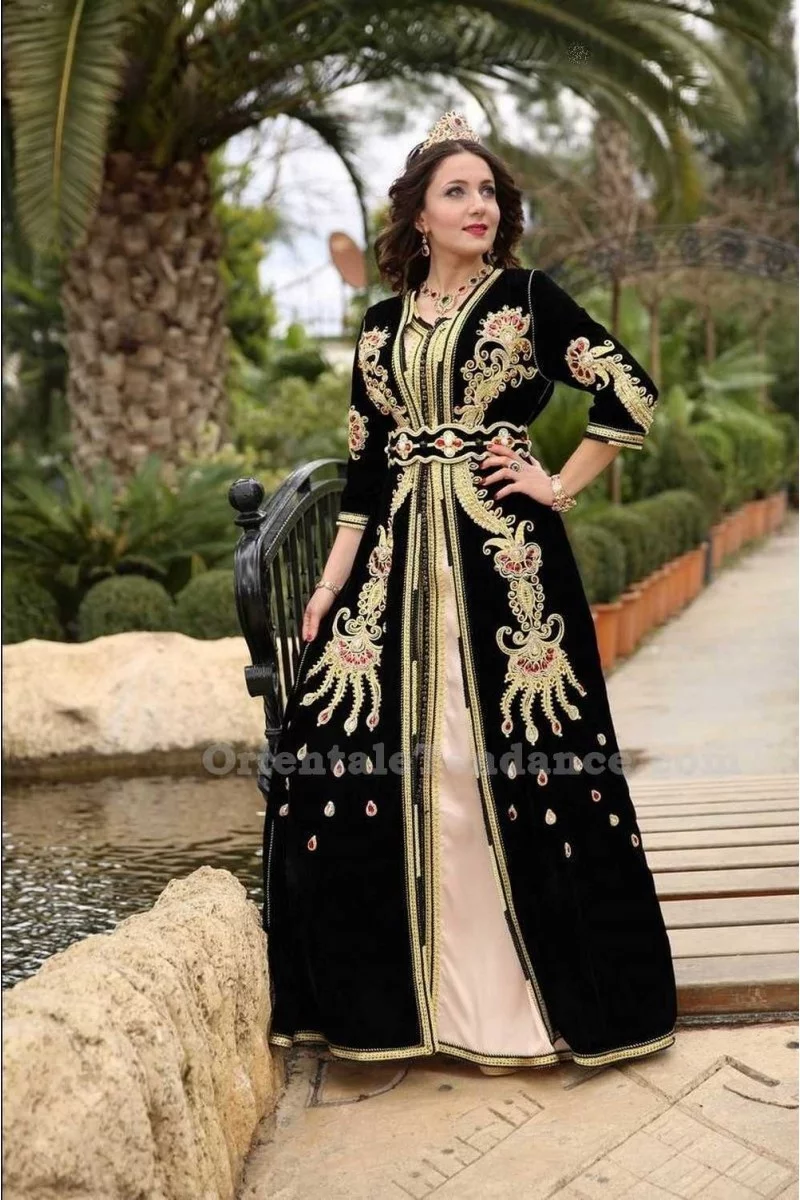
Embroidery and Traditional Clothing: Garments of Memory
The traditional attire of Algeria—karakou, kaftan, jellaba, and desert robes—offers insight into centuries of cultural evolution. Embroidery, carefully executed with threads of gold, silver, and vibrant color, communicates stories of lineage, region, and social status. These garments are not static relics; they are living expressions of identity, evolving over centuries yet retaining the essence of their historical and cultural origins. From formal ceremonies in the northern cities to festive occasions in the Sahara, Algerian clothing embodies both functionality and elegance, preserving heritage while remaining responsive to environmental conditions and societal norms.

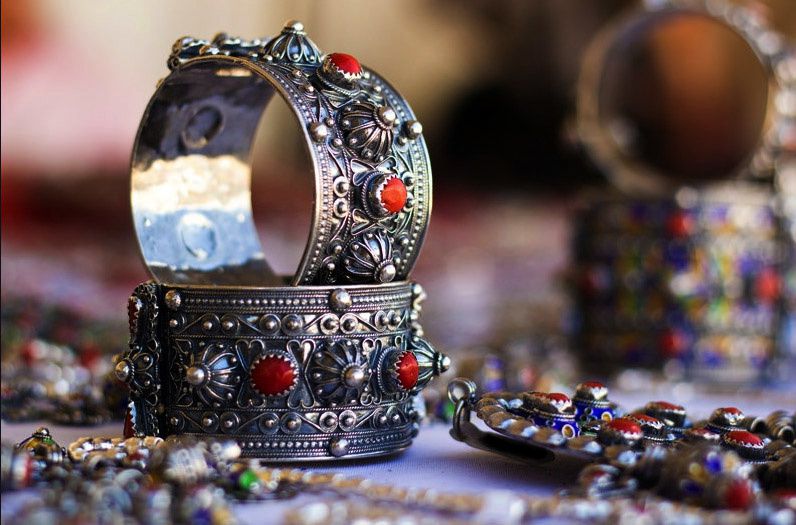
Jewelry and Ornamentation: The Art of Adornment
Algeria’s jewelry, crafted primarily from silver and gold, is celebrated for its meticulous engraving, inlay of colored glass or stones, and symbolic motifs. The Aurès, Kabylie, and Hoggar regions each produce distinctive styles that echo local traditions and cosmologies. Jewelry is simultaneously artistic, cultural, and functional, serving as markers of social status, regional identity, and familial heritage. It represents a continuity of artisanal skill, passed down through generations, where every delicate twist of wire or polished gem reflects both technical mastery and cultural narrative.
Leatherwork, Woodcraft, and Palm-Leaf Industries: Function Meets Artistry
The preparation and transformation of leather into durable, finely finished products—ranging from footwear and clothing to satchels and harnesses—demonstrates a careful negotiation between material, labor, and tradition. Woodcraft, encompassing carved boxes, furniture, and decorative panels, similarly reflects centuries of refinement. In Algeria’s desert regions, palm-leaf (khous) crafts remain vital, producing mats, baskets, and architectural elements for homes. These materials, seemingly humble, are elevated by skilled hands into objects that are both utilitarian and artistic, testifying to the resourcefulness and creativity of Algerian artisans across time and space.

Cultural and Historical Significance
Algerian crafts are more than economic activities; they are repositories of historical knowledge and markers of national identity. Across centuries, despite colonial upheavals, economic crises, and social disruption, the people of Algeria have safeguarded their artisanal heritage. These crafts are transmitted from generation to generation, creating a living chain of cultural memory. They serve not only as symbols of identity but also as vehicles of social cohesion, economic sustenance, and intercultural dialogue.
Economic and Social Dimensions
Traditional crafts in Algeria are not solely artistic—they underpin livelihoods, foster social cohesion, and promote regional economies. Women, men, and youth participate in these industries, often integrating domestic and professional spaces, and contribute to both local and national economic frameworks. The sector creates employment, encourages innovation within traditional forms, and sustains knowledge systems that might otherwise be lost to mechanized mass production.
Exhibition Overview and Significance
The 39th edition of the Surajkund International Crafts Mela, held annually in Faridabad, India, is one of the world’s largest and most prestigious celebrations of traditional arts and handicrafts. Drawing participation from over fifty countries, the mela provides a dynamic platform for nations to showcase their cultural heritage, craft expertise, and artistic innovation. Beyond its role as a marketplace, the mela functions as a forum for intercultural dialogue, fostering mutual understanding and appreciation among diverse communities. It highlights the critical role of traditional craftsmanship in preserving cultural identity while promoting sustainable economic development, offering visitors an immersive experience that combines visual splendor, live demonstrations, and interactive workshops.
Algeria’s participation in the Surajkund International Crafts Mela comes at a pivotal moment in the evolving Algeria–India partnership, which has recently gained momentum through high-level exchanges and targeted economic engagements. This visit builds on the progress generated by the Indian business delegation to Algeria, including the Indo-Algerian Business Forum in Algiers, which concentrated on the pharmaceutical sector and brought together nearly 100 Indian operators representing over 65 companies.
Beyond pharmaceuticals, both nations are actively exploring collaboration across infrastructure, energy, heavy industry, digital technologies, agriculture, and trade, signaling a deliberate strategy to translate historical friendship into a forward-looking, mutually beneficial economic partnership. Anchored in decades of political alignment, shared anti-colonial legacies, and reinforced by South–South cooperation, this engagement demonstrates Algeria and India’s commitment to forging practical, strategic, and sustainable ties.
— 𝐄𝐍𝐃 —

📡🌍 | 𝓐𝓫𝓸𝓾𝓽 𝓓𝔃𝓪𝓲𝓻 𝓣𝓾𝓫𝓮 𝓜𝓮𝓭𝓲𝓪 𝓖𝓻𝓸𝓾𝓹 | 🌍📡
━━━━━━━━━━━━━━━━━━━━━━━━━━━━━━━
📰 𝓓𝔃𝓪𝓲𝓻 𝓣𝓾𝓫𝓮 𝓲𝓼 𝓪 𝓽𝓻𝓪𝓲𝓵𝓫𝓵𝓪𝔃𝓮𝓻 𝓲𝓷 𝓐𝓵𝓰𝓮𝓻𝓲𝓪𝓷 𝓭𝓲𝓰𝓲𝓽𝓪𝓵 𝓳𝓸𝓾𝓻𝓷𝓪𝓵𝓲𝓼𝓶, 𝓭𝓮𝓵𝓲𝓿𝓮𝓻𝓲𝓷𝓰 𝓱𝓲𝓰𝓱-𝓺𝓾𝓪𝓵𝓲𝓽𝔂 𝓬𝓸𝓷𝓽𝓮𝓷𝓽 𝓲𝓷 𝓐𝓻𝓪𝓫𝓲𝓬, 𝓕𝓻𝓮𝓷𝓬𝓱, 𝓪𝓷𝓭 𝓔𝓷𝓰𝓵𝓲𝓼𝓱. 𝓦𝓲𝓽𝓱 𝓶𝓸𝓻𝓮 𝓽𝓱𝓪𝓷 📈 500,000 𝓭𝓪𝓲𝓵𝔂 𝓬𝓵𝓲𝓬𝓴𝓼, 𝓲𝓽 𝓻𝓪𝓷𝓴𝓼 𝓪𝓶𝓸𝓷𝓰 𝓽𝓱𝓮 𝓶𝓸𝓼𝓽 𝓲𝓷𝓯𝓵𝓾𝓮𝓷𝓽𝓲𝓪𝓵 𝓶𝓮𝓭𝓲𝓪 𝓹𝓵𝓪𝓽𝓯𝓸𝓻𝓶𝓼 𝓲𝓷 𝓽𝓱𝓮 𝓬𝓸𝓾𝓷𝓽𝓻𝔂.🏆 𝓐𝔀𝓪𝓻𝓭𝓮𝓭 𝓽𝓱𝓮 𝓟𝓻𝓮𝓼𝓲𝓭𝓮𝓷𝓽 𝓸𝓯 𝓽𝓱𝓮 𝓡𝓮𝓹𝓾𝓫𝓵𝓲𝓬’𝓼 𝓟𝓻𝓲𝔃𝓮 𝓯𝓸𝓻 𝓟𝓻𝓸𝓯𝓮𝓼𝓼𝓲𝓸𝓷𝓪𝓵 𝓙𝓸𝓾𝓻𝓷𝓪𝓵𝓲𝓼𝓽 𝓲𝓷 𝓽𝓱𝓮 𝓔𝓵𝓮𝓬𝓽𝓻𝓸𝓷𝓲𝓬 𝓟𝓻𝓮𝓼𝓼 𝓬𝓪𝓽𝓮𝓰𝓸𝓻𝔂 (🗓 𝓞𝓬𝓽𝓸𝓫𝓮𝓻 22, 2022), 𝓓𝔃𝓪𝓲𝓻 𝓣𝓾𝓫𝓮 𝓲𝓼 𝔀𝓲𝓭𝓮𝓵𝔂 𝓻𝓮𝓬𝓸𝓰𝓷𝓲𝔃𝓮𝓭 𝓯𝓸𝓻 𝓲𝓽𝓼 𝓮𝓭𝓲𝓽𝓸𝓻𝓲𝓪𝓵 𝓮𝔁𝓬𝓮𝓵𝓵𝓮𝓷𝓬𝓮 𝓪𝓷𝓭 𝓲𝓷𝓽𝓮𝓰𝓻𝓲𝓽𝔂.
📱 𝓜𝓪𝓼𝓼𝓲𝓿𝓮 𝓓𝓲𝓰𝓲𝓽𝓪𝓵 𝓡𝓮𝓪𝓬𝓱:
🔴 600,000+ 𝓨𝓸𝓾𝓣𝓾𝓫𝓮 𝓼𝓾𝓫𝓼𝓬𝓻𝓲𝓫𝓮𝓻𝓼
🔵 6 𝓶𝓲𝓵𝓵𝓲𝓸𝓷+ 𝓯𝓸𝓵𝓵𝓸𝔀𝓮𝓻𝓼 𝓪𝓬𝓻𝓸𝓼𝓼 𝓕𝓪𝓬𝓮𝓫𝓸𝓸𝓴 𝓹𝓪𝓰𝓮𝓼
📸 70,000+ 𝓘𝓷𝓼𝓽𝓪𝓰𝓻𝓪𝓶 𝓯𝓸𝓵𝓵𝓸𝔀𝓮𝓻𝓼🎥 𝓞𝓹𝓮𝓻𝓪𝓽𝓲𝓷𝓰 𝓯𝓻𝓸𝓶 𝓼𝓽𝓪𝓽𝓮-𝓸𝓯-𝓽𝓱𝓮-𝓪𝓻𝓽 𝓼𝓽𝓾𝓭𝓲𝓸𝓼, 𝓓𝔃𝓪𝓲𝓻 𝓣𝓾𝓫𝓮 𝓫𝓻𝓸𝓪𝓭𝓬𝓪𝓼𝓽𝓼 𝓻𝓲𝓬𝓱 𝓪𝓷𝓭 𝓭𝓲𝓿𝓮𝓻𝓼𝓮 𝓹𝓻𝓸𝓰𝓻𝓪𝓶𝓶𝓲𝓷𝓰, 𝓲𝓷𝓬𝓵𝓾𝓭𝓲𝓷𝓰:
🗞 𝓝𝓮𝔀𝓼 | ⚽ 𝓢𝓹𝓸𝓻𝓽𝓼 | 🎭 𝓔𝓷𝓽𝓮𝓻𝓽𝓪𝓲𝓷𝓶𝓮𝓷𝓽 | 🕌 𝓡𝓮𝓵𝓲𝓰𝓲𝓸𝓷 | 🎨 𝓒𝓾𝓵𝓽𝓾𝓻𝓮🗣️ 𝓕𝓮𝓪𝓽𝓾𝓻𝓲𝓷𝓰 𝓲𝓷𝓽𝓮𝓻𝓪𝓬𝓽𝓲𝓿𝓮 𝓽𝓪𝓵𝓴 𝓼𝓱𝓸𝔀𝓼 𝓪𝓷𝓭 𝓮𝔁𝓬𝓵𝓾𝓼𝓲𝓿𝓮 𝓲𝓷𝓽𝓮𝓻𝓿𝓲𝓮𝔀𝓼 𝔀𝓲𝓽𝓱 𝓹𝓻𝓸𝓶𝓲𝓷𝓮𝓷𝓽 𝓯𝓲𝓰𝓾𝓻𝓮𝓼 𝓯𝓻𝓸𝓶 𝓹𝓸𝓵𝓲𝓽𝓲𝓬𝓼, 𝓫𝓾𝓼𝓲𝓷𝓮𝓼𝓼, 𝓪𝓻𝓽𝓼, 𝓪𝓷𝓭 𝓶𝓸𝓻𝓮, 𝓓𝔃𝓪𝓲𝓻 𝓣𝓾𝓫𝓮 𝓼𝓮𝓻𝓿𝓮𝓼 𝓪𝓼 𝓪 𝓴𝓮𝔂 𝓹𝓵𝓪𝓽𝓯𝓸𝓻𝓶 𝓯𝓸𝓻 𝓹𝓾𝓫𝓵𝓲𝓬 𝓭𝓲𝓼𝓬𝓸𝓾𝓻𝓼𝓮 𝓪𝓷𝓭 𝓬𝓲𝓿𝓲𝓬 𝓮𝓷𝓰𝓪𝓰𝓮𝓶𝓮𝓷𝓽.
📰 𝓘𝓽𝓼 𝓹𝓻𝓲𝓷𝓽 𝓼𝓹𝓸𝓻𝓽𝓼 𝓭𝓪𝓲𝓵𝔂, “𝓓𝔃𝓪𝓲𝓻 𝓢𝓹𝓸𝓻𝓽,” 𝓮𝓷𝓳𝓸𝔂𝓼 𝓸𝓿𝓮𝓻 50,000 𝓭𝓪𝓲𝓵𝔂 𝓭𝓸𝔀𝓷𝓵𝓸𝓪𝓭𝓼 𝓿𝓲𝓪 𝓽𝓱𝓮 𝓸𝓯𝓯𝓲𝓬𝓲𝓪𝓵 𝔀𝓮𝓫𝓼𝓲𝓽𝓮—𝓯𝓾𝓻𝓽𝓱𝓮𝓻 𝓬𝓮𝓶𝓮𝓷𝓽𝓲𝓷𝓰 𝓽𝓱𝓮 𝓹𝓵𝓪𝓽𝓯𝓸𝓻𝓶’𝓼 𝓶𝓾𝓵𝓽𝓲𝓶𝓮𝓭𝓲𝓪 𝓵𝓮𝓪𝓭𝓮𝓻𝓼𝓱𝓲𝓹.
🎖️ 𝓗𝓸𝓷𝓸𝓻𝓮𝓭 𝔀𝓲𝓽𝓱 𝓽𝓱𝓮 𝓜𝓮𝓭𝓲𝓪 𝓛𝓮𝓪𝓭𝓮𝓻𝓼𝓱𝓲𝓹 𝓐𝔀𝓪𝓻𝓭 𝓫𝔂 𝓽𝓱𝓮 𝓯𝓸𝓻𝓶𝓮𝓻 𝓜𝓲𝓷𝓲𝓼𝓽𝓮𝓻 𝓸𝓯 𝓒𝓸𝓶𝓶𝓾𝓷𝓲𝓬𝓪𝓽𝓲𝓸𝓷, 𝓜𝓸𝓱𝓪𝓶𝓮𝓭 𝓛𝓪â𝓰𝓪𝓫, 𝓪𝓷𝓭 𝓬𝓮𝓵𝓮𝓫𝓻𝓪𝓽𝓮𝓭 𝓪𝓽 𝓽𝓱𝓮 𝓗𝓲𝓵𝓪𝓵𝓼 𝓸𝓯 𝓽𝓱𝓮 𝓣𝓮𝓵𝓮𝓿𝓲𝓼𝓲𝓸𝓷 𝓪𝔀𝓪𝓻𝓭𝓼, 𝓓𝔃𝓪𝓲𝓻 𝓣𝓾𝓫𝓮 𝓬𝓸𝓷𝓽𝓲𝓷𝓾𝓮𝓼 𝓽𝓸 𝓵𝓮𝓪𝓭 𝔀𝓲𝓽𝓱 𝓲𝓷𝓷𝓸𝓿𝓪𝓽𝓲𝓸𝓷, 𝓲𝓷𝓯𝓵𝓾𝓮𝓷𝓬𝓮, 𝓪𝓷𝓭 𝓲𝓶𝓹𝓪𝓬𝓽.
━━━━━━━━━━━━━━━━━━━━━━━━━━━━━━━
🌐 𝓢𝓽𝓪𝔂 𝓒𝓸𝓷𝓷𝓮𝓬𝓽𝓮𝓭:
🔗 𝓦𝓮𝓫𝓼𝓲𝓽𝓮: www.dzair-tube.dz
🔗 𝓔𝓷𝓰𝓵𝓲𝓼𝓱: www.dzair-tube.dz/en
📲 𝓕𝓸𝓵𝓵𝓸𝔀 𝓾𝓼 𝓸𝓷 𝓕𝓪𝓬𝓮𝓫𝓸𝓸𝓴 | 𝓘𝓷𝓼𝓽𝓪𝓰𝓻𝓪𝓶 | 𝓨𝓸𝓾𝓣𝓾𝓫𝓮
━━━━━━━━━━━━━━━━━━━━━━━━━━━━━━━


