


✍️ By: Dr. Mohammad Reza ZAEIRI,
Cultural Counselor at the Embassy of the Islamic Republic of Iran.
Translated into English by: Dr. Hana Saada
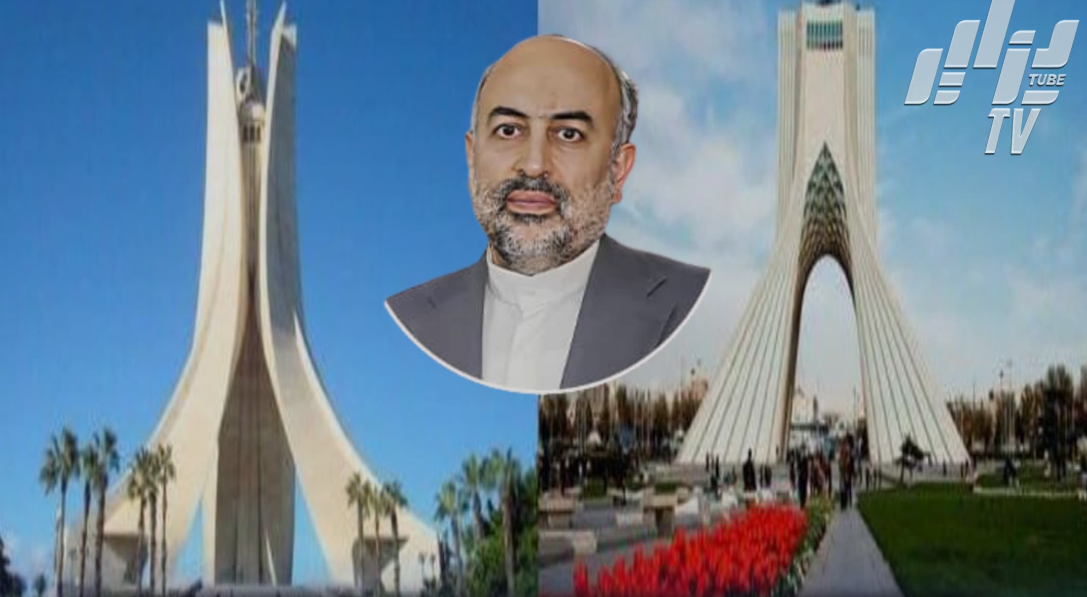
Dr. Mohammad Reza Zaeiri: A Distinguished Voice in Religious Media and Cultural Diplomacy
Dr. Mohammad Reza Zaeiri is a renowned academic specializing in religious media, Islamic philosophy, and interfaith (Islamic-Christian) dialogue. As a prolific author and eminent literary figure, he has penned over thirty works encompassing literature, translation, creative writing, and narrative arts—several of which have been translated into major foreign languages, including English and French.
With a distinguished media career spanning more than a quarter of a century, Dr. Zaeiri has established an enduring reputation in the journalistic world. He has founded numerous periodicals and magazines and served as editor-in-chief of several prominent newspapers, most notably Hamshahri (¹), the largest Persian-language daily in the world.
His influence extends well beyond journalism. A committed cultural figure, Dr. Zaeiri has made significant contributions to the fields of film and television production. He is also a leading figure in the publishing sector, having established an independent media house that has continuously issued a monthly magazine for the past 23 years.
His most recent intellectual endeavor, “In Search of the Jeem” (2), marks a new milestone in his ongoing creative exploration. This reflective series, published regularly in Al-Ayam News (Arabic) and jeune-independant.net (French), chronicles his current tenure as Iran’s Cultural Counselor in Algeria. In these writings, Dr. Zaeiri (3) offers a deeply personal and poetic meditation on identity, belonging, and the enduring cultural bonds that unite Iran and Algeria.
Today, Dzair Tube is proud to present the English edition of this compelling series—meticulously translated from both the Arabic and French originals.
I Prefer Tea over Coffee!
When visiting loved ones, after the customary greetings and pleasantries, the next step invariably follows, unchanged regardless of circumstance: tea or coffee? The contrast between Algerian tea and Iranian tea is striking, both in preparation and in ritual.
In Iran, the traditional method begins by bringing water to a boil in the larger, lower teapot. A small quantity of dried tea leaves is placed in the smaller upper teapot. The larger teapot—usually made of metal, such as copper or aluminum—endures direct heat, while the smaller, upper pot, often ceramic, serves for steeping. Once the water reaches boiling, it is poured into the upper teapot, which is then placed atop the lower one, and the heat is reduced to allow gentle infusion. After a short while, the stove is turned off, and patience is exercised until the tea reaches its full flavor. Typically, once poured into cups, a little hot water is added to the tea to lighten its color, producing a golden hue rather than a dark, heavy brew.
In Algeria, or more broadly the Maghreb, tea preparation differs, and I have a particular fondness for the aroma of mint-infused tea, especially when accompanied by sweet Algerian pastries. Initially, I was unaware of the historical nuances behind this tea until, early in my time in Algeria, a friend invited me to share mint tea. I was delighted and asked, “Is this Moroccan tea?” My Algerian host reacted vehemently, exclaiming, “No! This is Algerian tea!” He then proceeded to recount numerous cultural elements, stressing that they had been appropriated by the Moroccans. At that moment, I understood much about the subtle historical intricacies and explained to him that, while others may have leveraged media to their advantage, Algerians too must remain vigilant in preserving and promoting their heritage—an essential factor in attracting tourism on a large scale.
Iranians, in general, are more accustomed to tea than coffee, and I, too, prefer tea. Yet before tea became widely known—roughly two hundred years ago—coffee dominated. In old neighborhoods and villages, communal gathering spaces are still called “cafés,” even though tea is consumed there! This historical preference may reflect economic realities, as shifts in economic conditions invariably influence daily life and consumption patterns.
I recall reading in the famed memoirs of Benjamin Franklin—one of the Founding Fathers of the United States—about his youth: “I could not afford tea, which was reserved for the wealthy, and was forced to content myself with coffee.”
Who can predict what will happen in two hundred years? Perhaps our descendants will return to coffee, leaving mint tea for the affluent. My advice, both to you and to myself, is to appreciate the present moment and make the most of current circumstances. Drink tea or coffee according to your preference; fortunately, a wealth of options is available, and for that, we can be grateful.
Endnotes
-
Hamshahri (in Persian: همشهری) is a major Iranian daily newspaper founded in 1990. The name means “fellow citizen” or “co-dweller” in Persian. It is the largest Persian-language newspaper in the world.
-
Jeem (ج) is the fifth letter of the Arabic alphabet and holds the phonetic value of the “j” sound in English. In this context, it symbolizes the moral and symbolic bridge between the author’s identity and his host country, Algeria.
-
Zaeiri (الزائري) is the author’s surname. When the letter “Jeem” (ج) is added, it becomes Jazaeiri (الجزائري), meaning “Algerian” in Arabic. This clever linguistic play underpins the philosophical theme of identity and belonging that permeates the text.
— 𝐄𝐍𝐃 —

📡🌍 | 𝓐𝓫𝓸𝓾𝓽 𝓓𝔃𝓪𝓲𝓻 𝓣𝓾𝓫𝓮 𝓜𝓮𝓭𝓲𝓪 𝓖𝓻𝓸𝓾𝓹 | 🌍📡
━━━━━━━━━━━━━━━━━━━━━━━━━━━━━━━
📰 𝓓𝔃𝓪𝓲𝓻 𝓣𝓾𝓫𝓮 𝓲𝓼 𝓪 𝓽𝓻𝓪𝓲𝓵𝓫𝓵𝓪𝔃𝓮𝓻 𝓲𝓷 𝓐𝓵𝓰𝓮𝓻𝓲𝓪𝓷 𝓭𝓲𝓰𝓲𝓽𝓪𝓵 𝓳𝓸𝓾𝓻𝓷𝓪𝓵𝓲𝓼𝓶, 𝓭𝓮𝓵𝓲𝓿𝓮𝓻𝓲𝓷𝓰 𝓱𝓲𝓰𝓱-𝓺𝓾𝓪𝓵𝓲𝓽𝔂 𝓬𝓸𝓷𝓽𝓮𝓷𝓽 𝓲𝓷 𝓐𝓻𝓪𝓫𝓲𝓬, 𝓕𝓻𝓮𝓷𝓬𝓱, 𝓪𝓷𝓭 𝓔𝓷𝓰𝓵𝓲𝓼𝓱. 𝓦𝓲𝓽𝓱 𝓶𝓸𝓻𝓮 𝓽𝓱𝓪𝓷 📈 500,000 𝓭𝓪𝓲𝓵𝔂 𝓬𝓵𝓲𝓬𝓴𝓼, 𝓲𝓽 𝓻𝓪𝓷𝓴𝓼 𝓪𝓶𝓸𝓷𝓰 𝓽𝓱𝓮 𝓶𝓸𝓼𝓽 𝓲𝓷𝓯𝓵𝓾𝓮𝓷𝓽𝓲𝓪𝓵 𝓶𝓮𝓭𝓲𝓪 𝓹𝓵𝓪𝓽𝓯𝓸𝓻𝓶𝓼 𝓲𝓷 𝓽𝓱𝓮 𝓬𝓸𝓾𝓷𝓽𝓻𝔂.🏆 𝓐𝔀𝓪𝓻𝓭𝓮𝓭 𝓽𝓱𝓮 𝓟𝓻𝓮𝓼𝓲𝓭𝓮𝓷𝓽 𝓸𝓯 𝓽𝓱𝓮 𝓡𝓮𝓹𝓾𝓫𝓵𝓲𝓬’𝓼 𝓟𝓻𝓲𝔃𝓮 𝓯𝓸𝓻 𝓟𝓻𝓸𝓯𝓮𝓼𝓼𝓲𝓸𝓷𝓪𝓵 𝓙𝓸𝓾𝓻𝓷𝓪𝓵𝓲𝓼𝓽 𝓲𝓷 𝓽𝓱𝓮 𝓔𝓵𝓮𝓬𝓽𝓻𝓸𝓷𝓲𝓬 𝓟𝓻𝓮𝓼𝓼 𝓬𝓪𝓽𝓮𝓰𝓸𝓻𝔂 (🗓 𝓞𝓬𝓽𝓸𝓫𝓮𝓻 22, 2022), 𝓓𝔃𝓪𝓲𝓻 𝓣𝓾𝓫𝓮 𝓲𝓼 𝔀𝓲𝓭𝓮𝓵𝔂 𝓻𝓮𝓬𝓸𝓰𝓷𝓲𝔃𝓮𝓭 𝓯𝓸𝓻 𝓲𝓽𝓼 𝓮𝓭𝓲𝓽𝓸𝓻𝓲𝓪𝓵 𝓮𝔁𝓬𝓮𝓵𝓵𝓮𝓷𝓬𝓮 𝓪𝓷𝓭 𝓲𝓷𝓽𝓮𝓰𝓻𝓲𝓽𝔂.
📱 𝓜𝓪𝓼𝓼𝓲𝓿𝓮 𝓓𝓲𝓰𝓲𝓽𝓪𝓵 𝓡𝓮𝓪𝓬𝓱:
🔴 600,000+ 𝓨𝓸𝓾𝓣𝓾𝓫𝓮 𝓼𝓾𝓫𝓼𝓬𝓻𝓲𝓫𝓮𝓻𝓼
🔵 6 𝓶𝓲𝓵𝓵𝓲𝓸𝓷+ 𝓯𝓸𝓵𝓵𝓸𝔀𝓮𝓻𝓼 𝓪𝓬𝓻𝓸𝓼𝓼 𝓕𝓪𝓬𝓮𝓫𝓸𝓸𝓴 𝓹𝓪𝓰𝓮𝓼
📸 70,000+ 𝓘𝓷𝓼𝓽𝓪𝓰𝓻𝓪𝓶 𝓯𝓸𝓵𝓵𝓸𝔀𝓮𝓻𝓼🎥 𝓞𝓹𝓮𝓻𝓪𝓽𝓲𝓷𝓰 𝓯𝓻𝓸𝓶 𝓼𝓽𝓪𝓽𝓮-𝓸𝓯-𝓽𝓱𝓮-𝓪𝓻𝓽 𝓼𝓽𝓾𝓭𝓲𝓸𝓼, 𝓓𝔃𝓪𝓲𝓻 𝓣𝓾𝓫𝓮 𝓫𝓻𝓸𝓪𝓭𝓬𝓪𝓼𝓽𝓼 𝓻𝓲𝓬𝓱 𝓪𝓷𝓭 𝓭𝓲𝓿𝓮𝓻𝓼𝓮 𝓹𝓻𝓸𝓰𝓻𝓪𝓶𝓶𝓲𝓷𝓰, 𝓲𝓷𝓬𝓵𝓾𝓭𝓲𝓷𝓰:
🗞 𝓝𝓮𝔀𝓼 | ⚽ 𝓢𝓹𝓸𝓻𝓽𝓼 | 🎭 𝓔𝓷𝓽𝓮𝓻𝓽𝓪𝓲𝓷𝓶𝓮𝓷𝓽 | 🕌 𝓡𝓮𝓵𝓲𝓰𝓲𝓸𝓷 | 🎨 𝓒𝓾𝓵𝓽𝓾𝓻𝓮🗣️ 𝓕𝓮𝓪𝓽𝓾𝓻𝓲𝓷𝓰 𝓲𝓷𝓽𝓮𝓻𝓪𝓬𝓽𝓲𝓿𝓮 𝓽𝓪𝓵𝓴 𝓼𝓱𝓸𝔀𝓼 𝓪𝓷𝓭 𝓮𝔁𝓬𝓵𝓾𝓼𝓲𝓿𝓮 𝓲𝓷𝓽𝓮𝓻𝓿𝓲𝓮𝔀𝓼 𝔀𝓲𝓽𝓱 𝓹𝓻𝓸𝓶𝓲𝓷𝓮𝓷𝓽 𝓯𝓲𝓰𝓾𝓻𝓮𝓼 𝓯𝓻𝓸𝓶 𝓹𝓸𝓵𝓲𝓽𝓲𝓬𝓼, 𝓫𝓾𝓼𝓲𝓷𝓮𝓼𝓼, 𝓪𝓻𝓽𝓼, 𝓪𝓷𝓭 𝓶𝓸𝓻𝓮, 𝓓𝔃𝓪𝓲𝓻 𝓣𝓾𝓫𝓮 𝓼𝓮𝓻𝓿𝓮𝓼 𝓪𝓼 𝓪 𝓴𝓮𝔂 𝓹𝓵𝓪𝓽𝓯𝓸𝓻𝓶 𝓯𝓸𝓻 𝓹𝓾𝓫𝓵𝓲𝓬 𝓭𝓲𝓼𝓬𝓸𝓾𝓻𝓼𝓮 𝓪𝓷𝓭 𝓬𝓲𝓿𝓲𝓬 𝓮𝓷𝓰𝓪𝓰𝓮𝓶𝓮𝓷𝓽.
📰 𝓘𝓽𝓼 𝓹𝓻𝓲𝓷𝓽 𝓼𝓹𝓸𝓻𝓽𝓼 𝓭𝓪𝓲𝓵𝔂, “𝓓𝔃𝓪𝓲𝓻 𝓢𝓹𝓸𝓻𝓽,” 𝓮𝓷𝓳𝓸𝔂𝓼 𝓸𝓿𝓮𝓻 50,000 𝓭𝓪𝓲𝓵𝔂 𝓭𝓸𝔀𝓷𝓵𝓸𝓪𝓭𝓼 𝓿𝓲𝓪 𝓽𝓱𝓮 𝓸𝓯𝓯𝓲𝓬𝓲𝓪𝓵 𝔀𝓮𝓫𝓼𝓲𝓽𝓮—𝓯𝓾𝓻𝓽𝓱𝓮𝓻 𝓬𝓮𝓶𝓮𝓷𝓽𝓲𝓷𝓰 𝓽𝓱𝓮 𝓹𝓵𝓪𝓽𝓯𝓸𝓻𝓶’𝓼 𝓶𝓾𝓵𝓽𝓲𝓶𝓮𝓭𝓲𝓪 𝓵𝓮𝓪𝓭𝓮𝓻𝓼𝓱𝓲𝓹.
🎖️ 𝓗𝓸𝓷𝓸𝓻𝓮𝓭 𝔀𝓲𝓽𝓱 𝓽𝓱𝓮 𝓜𝓮𝓭𝓲𝓪 𝓛𝓮𝓪𝓭𝓮𝓻𝓼𝓱𝓲𝓹 𝓐𝔀𝓪𝓻𝓭 𝓫𝔂 𝓽𝓱𝓮 𝓯𝓸𝓻𝓶𝓮𝓻 𝓜𝓲𝓷𝓲𝓼𝓽𝓮𝓻 𝓸𝓯 𝓒𝓸𝓶𝓶𝓾𝓷𝓲𝓬𝓪𝓽𝓲𝓸𝓷, 𝓜𝓸𝓱𝓪𝓶𝓮𝓭 𝓛𝓪â𝓰𝓪𝓫, 𝓪𝓷𝓭 𝓬𝓮𝓵𝓮𝓫𝓻𝓪𝓽𝓮𝓭 𝓪𝓽 𝓽𝓱𝓮 𝓗𝓲𝓵𝓪𝓵𝓼 𝓸𝓯 𝓽𝓱𝓮 𝓣𝓮𝓵𝓮𝓿𝓲𝓼𝓲𝓸𝓷 𝓪𝔀𝓪𝓻𝓭𝓼, 𝓓𝔃𝓪𝓲𝓻 𝓣𝓾𝓫𝓮 𝓬𝓸𝓷𝓽𝓲𝓷𝓾𝓮𝓼 𝓽𝓸 𝓵𝓮𝓪𝓭 𝔀𝓲𝓽𝓱 𝓲𝓷𝓷𝓸𝓿𝓪𝓽𝓲𝓸𝓷, 𝓲𝓷𝓯𝓵𝓾𝓮𝓷𝓬𝓮, 𝓪𝓷𝓭 𝓲𝓶𝓹𝓪𝓬𝓽.
━━━━━━━━━━━━━━━━━━━━━━━━━━━━━━━
🌐 𝓢𝓽𝓪𝔂 𝓒𝓸𝓷𝓷𝓮𝓬𝓽𝓮𝓭:
🔗 𝓦𝓮𝓫𝓼𝓲𝓽𝓮: www.dzair-tube.dz
🔗 𝓔𝓷𝓰𝓵𝓲𝓼𝓱: www.dzair-tube.dz/en
📲 𝓕𝓸𝓵𝓵𝓸𝔀 𝓾𝓼 𝓸𝓷 𝓕𝓪𝓬𝓮𝓫𝓸𝓸𝓴 | 𝓘𝓷𝓼𝓽𝓪𝓰𝓻𝓪𝓶 | 𝓨𝓸𝓾𝓣𝓾𝓫𝓮
━━━━━━━━━━━━━━━━━━━━━━━━━━━━━━━


