

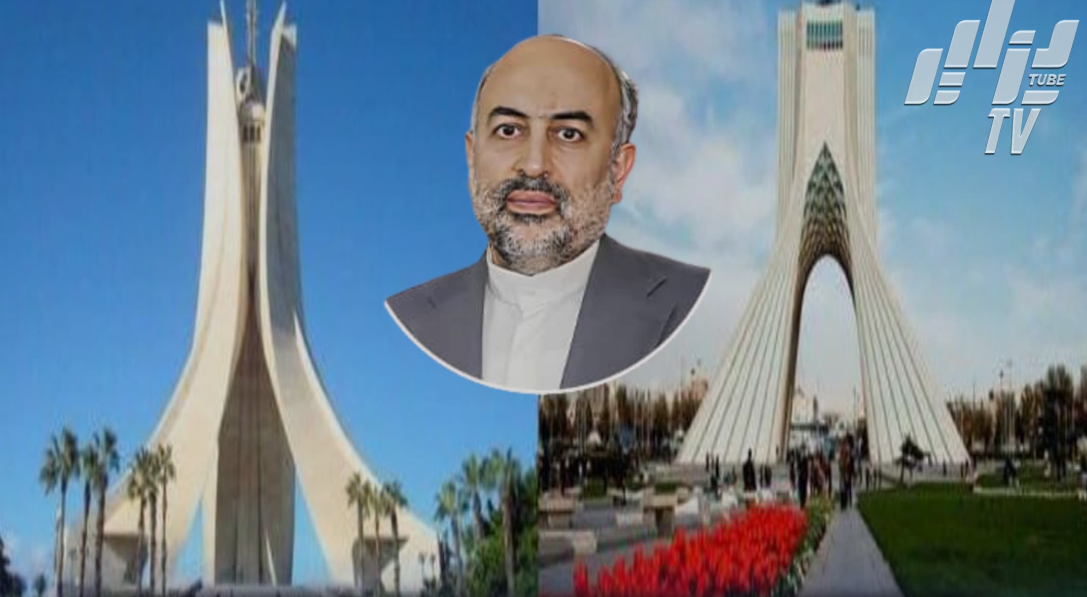
✍️ By: Dr. Mohammad Reza ZAEIRI,
Cultural Counselor at the Embassy of the Islamic Republic of Iran.
Translated into English by: Dr. Hana Saada
Dr. Mohammad Reza Zaeiri: A Distinguished Voice in Religious Media and Cultural Diplomacy
Dr. Mohammad Reza Zaeiri is a renowned academic specializing in religious media, Islamic philosophy, and interfaith (Islamic-Christian) dialogue. As a prolific author and eminent literary figure, he has penned over thirty works encompassing literature, translation, creative writing, and narrative arts—several of which have been translated into major foreign languages, including English and French.
With a distinguished media career spanning more than a quarter of a century, Dr. Zaeiri has established an enduring reputation in the journalistic world. He has founded numerous periodicals and magazines and served as editor-in-chief of several prominent newspapers, most notably Hamshahri (¹), the largest Persian-language daily in the world.
His influence extends well beyond journalism. A committed cultural figure, Dr. Zaeiri has made significant contributions to the fields of film and television production. He is also a leading figure in the publishing sector, having established an independent media house that has continuously issued a monthly magazine for the past 23 years.
His most recent intellectual endeavor, “In Search of the Jeem” (2), marks a new milestone in his ongoing creative exploration. This reflective series, published regularly in Al-Ayam News (Arabic) and jeune-independant.net (French), chronicles his current tenure as Iran’s Cultural Counselor in Algeria. In these writings, Dr. Zaeiri (3) offers a deeply personal and poetic meditation on identity, belonging, and the enduring cultural bonds that unite Iran and Algeria.
Today, Dzair Tube is proud to present the English edition of this compelling series—meticulously translated from both the Arabic and French originals.
The Algerian Dialect!
One of the foremost challenges I encountered in Algeria was navigating the complexities of the colloquial language, Darja (the Algerian dialect). Despite the warmth and generosity radiating from the welcoming faces I met for the first time, and despite the effusive emotions conveyed in everyday interactions, I found it extraordinarily difficult to articulate my own sentiments. Beyond that, I often struggled to apprehend the subtle nuances embedded in the speech of others.
I embarked on a quest for books and dictionaries that might illuminate the meanings of the myriad words and expressions I encountered, yet the shelves offered nothing of use, despite my discovery of references to such works online. There was no one to guide me through the meanings of these utterances, so I took to recording and deciphering them myself. For example, I initially assumed that the word bezzaf meant “in abundance” (literally “double”), only to later learn that it derives from Persian, originating in the word jazaf, and gradually evolving into bezzaf—a lineage which may well be accurate. Similarly, hakda represents a phonetic distortion of hakadha (“thus” or “like this”).
Yet my struggle with Algerian Darja persisted.
The colloquial language is a rich and intricate tapestry, woven from Arabic, Amazigh, French, Turkish, and occasionally Spanish elements—a linguistic palimpsest layered over centuries. It has produced a dialect that is unmistakably North African, yet articulated within an Arabic-speaking context, while Algeria’s vast and diverse geography accommodates distinct regional “flavors” of this linguistic mosaic, from the east to the west, the north to the south.
Through careful observation, I discerned that Algeria’s layered history is encoded within its language. Language serves as a mirror, reflecting the full spectrum of a society’s cultural and social fabric, even revealing political and psychological dimensions.
One can apprehend the collective mindset of a community through its language: distinctions in address between men and women, between singular and dual forms, and other subtle nuances, all varying from one culture to another. As the well-known adage declares, “No one conceals anything without it emerging in slips of the tongue and in the expressions upon their face.” Language, in its essence, cannot hide.
For instance, even a person unfamiliar with Algeria’s protracted struggle for independence and the successive hardships endured by its people could, hypothetically, examine Algerian Darja as a linguistic specimen. Through such analysis, one could trace historical epochs, discern the depths of collective suffering, and perceive the enduring imprint of social and cultural trauma.
I began systematically recording and studying every new term and phrase I encountered. My initial acquisitions included: labas (fine), wechrak (how are you?), khoya (my brother), kayen (there is/exists), makash (there isn’t), ashhal (how much?), erouh (go), jouz (pair), kif kif (same/similar), bnina (delicious), douka (now), bla mziya (without advantage), saqsi (ask), ma’alish (never mind/it’s okay), and khmous ‘alik! (five on you! [a playful reprimand]).
I took particular delight in analyzing the morphology and phonetic evolution of these words, pondering how they had transformed over time. My father, who first instilled in me a profound appreciation for the Arabic language, once explained that dialects differ markedly across countries. I recall him scribbling on a scrap of paper: Ishlonak? (How are you? [literally “What is your color?”]), elucidating how dialectical variation arises from the interplay of geography, society, and culture.
I remember a vivid episode: an Arabic-speaking friend of my father called our home, and I answered the phone. The caller inquired about my well-being: Ishlonak? (How are you?), kifak? (How’s it going?), shoo ismak? (What is your name?). My only reply was the monosyllabic “Yes!” Repeating it four or five times, I eventually elicited loud laughter from the caller, leaving the young boy—then acquainted with only two Arabic words, la (no) and na’am (yes)—in a state of bemused amusement.
Today, I have internalized a significant portion of Darja vocabulary, though I am acutely aware that mastery remains distant, particularly given the complexities of Algerian regional variations. Yet, as the proverb wisely reminds us: “A journey of a thousand miles begins with a single step,” and indeed, the first drop heralds the coming rain.
Endnotes
-
Hamshahri (in Persian: همشهری) is a major Iranian daily newspaper founded in 1990. The name means “fellow citizen” or “co-dweller” in Persian. It is the largest Persian-language newspaper in the world.
-
Jeem (ج) is the fifth letter of the Arabic alphabet and holds the phonetic value of the “j” sound in English. In this context, it symbolizes the moral and symbolic bridge between the author’s identity and his host country, Algeria.
-
Zaeiri (الزائري) is the author’s surname. When the letter “Jeem” (ج) is added, it becomes Jazaeiri (الجزائري), meaning “Algerian” in Arabic. This clever linguistic play underpins the philosophical theme of identity and belonging that permeates the text.
— 𝐄𝐍𝐃 —
📡🌍 | 𝓐𝓫𝓸𝓾𝓽 𝓓𝔃𝓪𝓲𝓻 𝓣𝓾𝓫𝓮 𝓜𝓮𝓭𝓲𝓪 𝓖𝓻𝓸𝓾𝓹 | 🌍📡
━━━━━━━━━━━━━━━━━━━━━━━━━━━━━━━
📰 𝓓𝔃𝓪𝓲𝓻 𝓣𝓾𝓫𝓮 𝓲𝓼 𝓪 𝓽𝓻𝓪𝓲𝓵𝓫𝓵𝓪𝔃𝓮𝓻 𝓲𝓷 𝓐𝓵𝓰𝓮𝓻𝓲𝓪𝓷 𝓭𝓲𝓰𝓲𝓽𝓪𝓵 𝓳𝓸𝓾𝓻𝓷𝓪𝓵𝓲𝓼𝓶, 𝓭𝓮𝓵𝓲𝓿𝓮𝓻𝓲𝓷𝓰 𝓱𝓲𝓰𝓱-𝓺𝓾𝓪𝓵𝓲𝓽𝔂 𝓬𝓸𝓷𝓽𝓮𝓷𝓽 𝓲𝓷 𝓐𝓻𝓪𝓫𝓲𝓬, 𝓕𝓻𝓮𝓷𝓬𝓱, 𝓪𝓷𝓭 𝓔𝓷𝓰𝓵𝓲𝓼𝓱. 𝓦𝓲𝓽𝓱 𝓶𝓸𝓻𝓮 𝓽𝓱𝓪𝓷 📈 500,000 𝓭𝓪𝓲𝓵𝔂 𝓬𝓵𝓲𝓬𝓴𝓼, 𝓲𝓽 𝓻𝓪𝓷𝓴𝓼 𝓪𝓶𝓸𝓷𝓰 𝓽𝓱𝓮 𝓶𝓸𝓼𝓽 𝓲𝓷𝓯𝓵𝓾𝓮𝓷𝓽𝓲𝓪𝓵 𝓶𝓮𝓭𝓲𝓪 𝓹𝓵𝓪𝓽𝓯𝓸𝓻𝓶𝓼 𝓲𝓷 𝓽𝓱𝓮 𝓬𝓸𝓾𝓷𝓽𝓻𝔂.🏆 𝓐𝔀𝓪𝓻𝓭𝓮𝓭 𝓽𝓱𝓮 𝓟𝓻𝓮𝓼𝓲𝓭𝓮𝓷𝓽 𝓸𝓯 𝓽𝓱𝓮 𝓡𝓮𝓹𝓾𝓫𝓵𝓲𝓬’𝓼 𝓟𝓻𝓲𝔃𝓮 𝓯𝓸𝓻 𝓟𝓻𝓸𝓯𝓮𝓼𝓼𝓲𝓸𝓷𝓪𝓵 𝓙𝓸𝓾𝓻𝓷𝓪𝓵𝓲𝓼𝓽 𝓲𝓷 𝓽𝓱𝓮 𝓔𝓵𝓮𝓬𝓽𝓻𝓸𝓷𝓲𝓬 𝓟𝓻𝓮𝓼𝓼 𝓬𝓪𝓽𝓮𝓰𝓸𝓻𝔂 (🗓 𝓞𝓬𝓽𝓸𝓫𝓮𝓻 22, 2022), 𝓓𝔃𝓪𝓲𝓻 𝓣𝓾𝓫𝓮 𝓲𝓼 𝔀𝓲𝓭𝓮𝓵𝔂 𝓻𝓮𝓬𝓸𝓰𝓷𝓲𝔃𝓮𝓭 𝓯𝓸𝓻 𝓲𝓽𝓼 𝓮𝓭𝓲𝓽𝓸𝓻𝓲𝓪𝓵 𝓮𝔁𝓬𝓮𝓵𝓵𝓮𝓷𝓬𝓮 𝓪𝓷𝓭 𝓲𝓷𝓽𝓮𝓰𝓻𝓲𝓽𝔂.
📱 𝓜𝓪𝓼𝓼𝓲𝓿𝓮 𝓓𝓲𝓰𝓲𝓽𝓪𝓵 𝓡𝓮𝓪𝓬𝓱:
🔴 600,000+ 𝓨𝓸𝓾𝓣𝓾𝓫𝓮 𝓼𝓾𝓫𝓼𝓬𝓻𝓲𝓫𝓮𝓻𝓼
🔵 6 𝓶𝓲𝓵𝓵𝓲𝓸𝓷+ 𝓯𝓸𝓵𝓵𝓸𝔀𝓮𝓻𝓼 𝓪𝓬𝓻𝓸𝓼𝓼 𝓕𝓪𝓬𝓮𝓫𝓸𝓸𝓴 𝓹𝓪𝓰𝓮𝓼
📸 70,000+ 𝓘𝓷𝓼𝓽𝓪𝓰𝓻𝓪𝓶 𝓯𝓸𝓵𝓵𝓸𝔀𝓮𝓻𝓼🎥 𝓞𝓹𝓮𝓻𝓪𝓽𝓲𝓷𝓰 𝓯𝓻𝓸𝓶 𝓼𝓽𝓪𝓽𝓮-𝓸𝓯-𝓽𝓱𝓮-𝓪𝓻𝓽 𝓼𝓽𝓾𝓭𝓲𝓸𝓼, 𝓓𝔃𝓪𝓲𝓻 𝓣𝓾𝓫𝓮 𝓫𝓻𝓸𝓪𝓭𝓬𝓪𝓼𝓽𝓼 𝓻𝓲𝓬𝓱 𝓪𝓷𝓭 𝓭𝓲𝓿𝓮𝓻𝓼𝓮 𝓹𝓻𝓸𝓰𝓻𝓪𝓶𝓶𝓲𝓷𝓰, 𝓲𝓷𝓬𝓵𝓾𝓭𝓲𝓷𝓰:
🗞 𝓝𝓮𝔀𝓼 | ⚽ 𝓢𝓹𝓸𝓻𝓽𝓼 | 🎭 𝓔𝓷𝓽𝓮𝓻𝓽𝓪𝓲𝓷𝓶𝓮𝓷𝓽 | 🕌 𝓡𝓮𝓵𝓲𝓰𝓲𝓸𝓷 | 🎨 𝓒𝓾𝓵𝓽𝓾𝓻𝓮🗣️ 𝓕𝓮𝓪𝓽𝓾𝓻𝓲𝓷𝓰 𝓲𝓷𝓽𝓮𝓻𝓪𝓬𝓽𝓲𝓿𝓮 𝓽𝓪𝓵𝓴 𝓼𝓱𝓸𝔀𝓼 𝓪𝓷𝓭 𝓮𝔁𝓬𝓵𝓾𝓼𝓲𝓿𝓮 𝓲𝓷𝓽𝓮𝓻𝓿𝓲𝓮𝔀𝓼 𝔀𝓲𝓽𝓱 𝓹𝓻𝓸𝓶𝓲𝓷𝓮𝓷𝓽 𝓯𝓲𝓰𝓾𝓻𝓮𝓼 𝓯𝓻𝓸𝓶 𝓹𝓸𝓵𝓲𝓽𝓲𝓬𝓼, 𝓫𝓾𝓼𝓲𝓷𝓮𝓼𝓼, 𝓪𝓻𝓽𝓼, 𝓪𝓷𝓭 𝓶𝓸𝓻𝓮, 𝓓𝔃𝓪𝓲𝓻 𝓣𝓾𝓫𝓮 𝓼𝓮𝓻𝓿𝓮𝓼 𝓪𝓼 𝓪 𝓴𝓮𝔂 𝓹𝓵𝓪𝓽𝓯𝓸𝓻𝓶 𝓯𝓸𝓻 𝓹𝓾𝓫𝓵𝓲𝓬 𝓭𝓲𝓼𝓬𝓸𝓾𝓻𝓼𝓮 𝓪𝓷𝓭 𝓬𝓲𝓿𝓲𝓬 𝓮𝓷𝓰𝓪𝓰𝓮𝓶𝓮𝓷𝓽.
📰 𝓘𝓽𝓼 𝓹𝓻𝓲𝓷𝓽 𝓼𝓹𝓸𝓻𝓽𝓼 𝓭𝓪𝓲𝓵𝔂, “𝓓𝔃𝓪𝓲𝓻 𝓢𝓹𝓸𝓻𝓽,” 𝓮𝓷𝓳𝓸𝔂𝓼 𝓸𝓿𝓮𝓻 50,000 𝓭𝓪𝓲𝓵𝔂 𝓭𝓸𝔀𝓷𝓵𝓸𝓪𝓭𝓼 𝓿𝓲𝓪 𝓽𝓱𝓮 𝓸𝓯𝓯𝓲𝓬𝓲𝓪𝓵 𝔀𝓮𝓫𝓼𝓲𝓽𝓮—𝓯𝓾𝓻𝓽𝓱𝓮𝓻 𝓬𝓮𝓶𝓮𝓷𝓽𝓲𝓷𝓰 𝓽𝓱𝓮 𝓹𝓵𝓪𝓽𝓯𝓸𝓻𝓶’𝓼 𝓶𝓾𝓵𝓽𝓲𝓶𝓮𝓭𝓲𝓪 𝓵𝓮𝓪𝓭𝓮𝓻𝓼𝓱𝓲𝓹.
🎖️ 𝓗𝓸𝓷𝓸𝓻𝓮𝓭 𝔀𝓲𝓽𝓱 𝓽𝓱𝓮 𝓜𝓮𝓭𝓲𝓪 𝓛𝓮𝓪𝓭𝓮𝓻𝓼𝓱𝓲𝓹 𝓐𝔀𝓪𝓻𝓭 𝓫𝔂 𝓽𝓱𝓮 𝓯𝓸𝓻𝓶𝓮𝓻 𝓜𝓲𝓷𝓲𝓼𝓽𝓮𝓻 𝓸𝓯 𝓒𝓸𝓶𝓶𝓾𝓷𝓲𝓬𝓪𝓽𝓲𝓸𝓷, 𝓜𝓸𝓱𝓪𝓶𝓮𝓭 𝓛𝓪â𝓰𝓪𝓫, 𝓪𝓷𝓭 𝓬𝓮𝓵𝓮𝓫𝓻𝓪𝓽𝓮𝓭 𝓪𝓽 𝓽𝓱𝓮 𝓗𝓲𝓵𝓪𝓵𝓼 𝓸𝓯 𝓽𝓱𝓮 𝓣𝓮𝓵𝓮𝓿𝓲𝓼𝓲𝓸𝓷 𝓪𝔀𝓪𝓻𝓭𝓼, 𝓓𝔃𝓪𝓲𝓻 𝓣𝓾𝓫𝓮 𝓬𝓸𝓷𝓽𝓲𝓷𝓾𝓮𝓼 𝓽𝓸 𝓵𝓮𝓪𝓭 𝔀𝓲𝓽𝓱 𝓲𝓷𝓷𝓸𝓿𝓪𝓽𝓲𝓸𝓷, 𝓲𝓷𝓯𝓵𝓾𝓮𝓷𝓬𝓮, 𝓪𝓷𝓭 𝓲𝓶𝓹𝓪𝓬𝓽.
━━━━━━━━━━━━━━━━━━━━━━━━━━━━━━━
🌐 𝓢𝓽𝓪𝔂 𝓒𝓸𝓷𝓷𝓮𝓬𝓽𝓮𝓭:
🔗 𝓦𝓮𝓫𝓼𝓲𝓽𝓮: www.dzair-tube.dz
🔗 𝓔𝓷𝓰𝓵𝓲𝓼𝓱: www.dzair-tube.dz/en
📲 𝓕𝓸𝓵𝓵𝓸𝔀 𝓾𝓼 𝓸𝓷 𝓕𝓪𝓬𝓮𝓫𝓸𝓸𝓴 | 𝓘𝓷𝓼𝓽𝓪𝓰𝓻𝓪𝓶 | 𝓨𝓸𝓾𝓣𝓾𝓫𝓮
━━━━━━━━━━━━━━━━━━━━━━━━━━━━━━━


