

✍️ By: Dr. Mohammad Reza ZAEIRI,
Cultural Counselor at the Embassy of the Islamic Republic of Iran.
Translated into English by: Dr. Hana Saada
Dr. Mohammad Reza Zaeiri: A Distinguished Voice in Religious Media and Cultural Diplomacy
Dr. Mohammad Reza Zaeiri is a renowned academic specializing in religious media, Islamic philosophy, and interfaith (Islamic-Christian) dialogue. As a prolific author and eminent literary figure, he has penned over thirty works encompassing literature, translation, creative writing, and narrative arts—several of which have been translated into major foreign languages, including English and French.
With a distinguished media career spanning more than a quarter of a century, Dr. Zaeiri has established an enduring reputation in the journalistic world. He has founded numerous periodicals and magazines and served as editor-in-chief of several prominent newspapers, most notably Hamshahri (¹), the largest Persian-language daily in the world.
His influence extends well beyond journalism. A committed cultural figure, Dr. Zaeiri has made significant contributions to the fields of film and television production. He is also a leading figure in the publishing sector, having established an independent media house that has continuously issued a monthly magazine for the past 23 years.
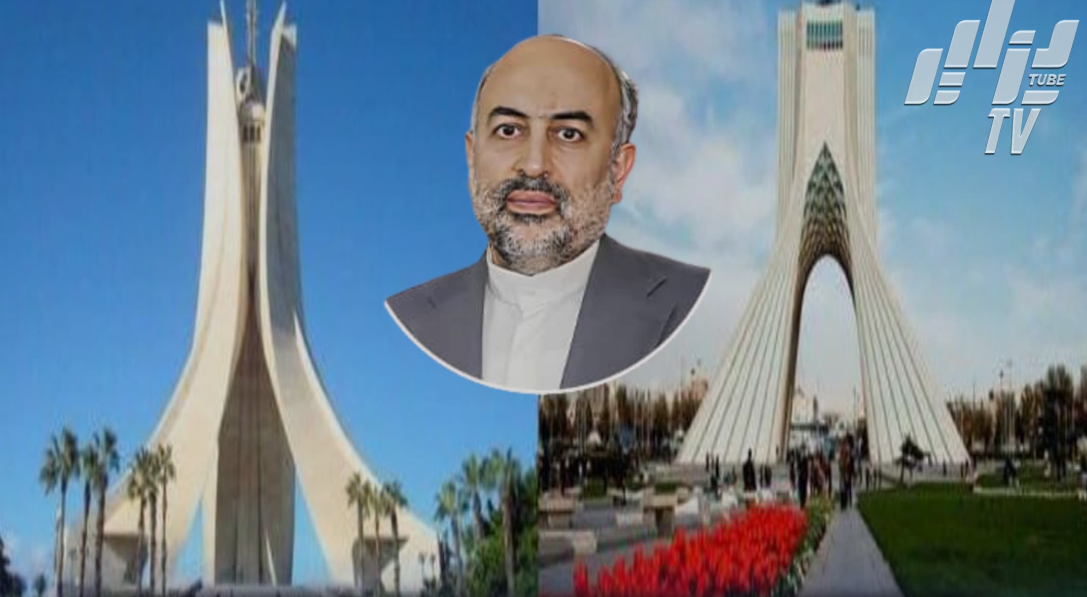
His most recent intellectual endeavor, “In Search of the Jeem” (2), marks a new milestone in his ongoing creative exploration. This reflective series, published regularly in Al-Ayam News (Arabic) and jeune-independant.net (French), chronicles his current tenure as Iran’s Cultural Counselor in Algeria. In these writings, Dr. Zaeiri (3) offers a deeply personal and poetic meditation on identity, belonging, and the enduring cultural bonds that unite Iran and Algeria.
Today, Dzair Tube is proud to present the English edition of this compelling series—meticulously translated from both the Arabic and French originals.
Names in Iran and Algeria
A name is a defining characteristic of every culture and geographical region, carrying within it layers of historical, religious, and social significance. Each country has its own set of names, some designated for males, others for females. A single name may not carry the same meaning across borders; meanings can even clash to the point of dissonance, or in some cases convey negative connotations in one society while remaining neutral or positive in another.
Upon my arrival in Algeria, I noticed that certain names or surnames bore striking similarity to those in Iran. Conversely, there were names and surnames that appeared utterly foreign to me.
Several years ago, when I first encountered the great thinker Malek Bennabi and read a book about him—aware that his ideas are widely taught in Iranian universities—I was struck by his epithet. I found myself wondering: how did his father dare to claim prophethood, so that he could be “the son of a prophet”?
During my stay in Algeria, I occasionally faced challenges in addressing people correctly, as I was unsure whether to use their given name or family name first. For instance, I would hear of someone referred to as “Ahmed M.” in one instance, and as “M. Ahmed” in another, only later realizing that this ordering had deep historical and cultural roots.
This ambiguity once led me to address a university professor thinking she was a woman, only to discover later that he was a man—the cause being that his surname was typically feminine in Iran. On another occasion, I addressed a respected lady as “Professor So-and-so”, only to learn later that she was “Professor So-and-so” in the female form—the confusion arising because her name is commonly male in Iran.
This is the case with certain names such as Isma and Akram, which in Iran are usually given to women, yet in Algeria are also used for men.
Initially, many Algerian names and surnames struck me as unfamiliar and unusual: names like Houari, Belamri, Ben Khadda—while others I assumed were purely Iranian. For example, the freedom fighter Zahra Zarif reminded me of Dr. Mohammad Javad Zarif, the former Iranian foreign minister. Likewise, Said Nafisi, a member of parliament and part of the Iranian-Algerian parliamentary friendship committee, shares his name with one of Iran’s most prominent writers and scholars.
The same applies to Sheikh Ahmed Ibrahimi, head of the Al-Baraka Association, whose name and surname are common in Iran, as well as Professor Mohammad Ghazi, member of the Guidance and Reform Association, who shares his name with a renowned Iranian translator.
Similarly, Dr. Fatima Saidi, an innovative Algerian physician, Mahdi Ramdani, an actor and filmmaker, and the writer Massoud Kaderi all bear names and surnames familiar to the Iranian social context as well.
Over time, I gradually became familiar with Algerian names and surnames. Today, I exercise careful pause before addressing someone I do not know, so as to avoid the mistake of confusing given names and family names.
Endnotes
-
Hamshahri (in Persian: همشهری) is a major Iranian daily newspaper founded in 1990. The name means “fellow citizen” or “co-dweller” in Persian. It is the largest Persian-language newspaper in the world.
-
Jeem (ج) is the fifth letter of the Arabic alphabet and holds the phonetic value of the “j” sound in English. In this context, it symbolizes the moral and symbolic bridge between the author’s identity and his host country, Algeria.
-
Zaeiri (الزائري) is the author’s surname. When the letter “Jeem” (ج) is added, it becomes Jazaeiri (الجزائري), meaning “Algerian” in Arabic. This clever linguistic play underpins the philosophical theme of identity and belonging that permeates the text.
— 𝐄𝐍𝐃 —
📡🌍 | 𝓐𝓫𝓸𝓾𝓽 𝓓𝔃𝓪𝓲𝓻 𝓣𝓾𝓫𝓮 𝓜𝓮𝓭𝓲𝓪 𝓖𝓻𝓸𝓾𝓹 | 🌍📡
━━━━━━━━━━━━━━━━━━━━━━━━━━━━━━━
📰 𝓓𝔃𝓪𝓲𝓻 𝓣𝓾𝓫𝓮 𝓲𝓼 𝓪 𝓽𝓻𝓪𝓲𝓵𝓫𝓵𝓪𝔃𝓮𝓻 𝓲𝓷 𝓐𝓵𝓰𝓮𝓻𝓲𝓪𝓷 𝓭𝓲𝓰𝓲𝓽𝓪𝓵 𝓳𝓸𝓾𝓻𝓷𝓪𝓵𝓲𝓼𝓶, 𝓭𝓮𝓵𝓲𝓿𝓮𝓻𝓲𝓷𝓰 𝓱𝓲𝓰𝓱-𝓺𝓾𝓪𝓵𝓲𝓽𝔂 𝓬𝓸𝓷𝓽𝓮𝓷𝓽 𝓲𝓷 𝓐𝓻𝓪𝓫𝓲𝓬, 𝓕𝓻𝓮𝓷𝓬𝓱, 𝓪𝓷𝓭 𝓔𝓷𝓰𝓵𝓲𝓼𝓱. 𝓦𝓲𝓽𝓱 𝓶𝓸𝓻𝓮 𝓽𝓱𝓪𝓷 📈 500,000 𝓭𝓪𝓲𝓵𝔂 𝓬𝓵𝓲𝓬𝓴𝓼, 𝓲𝓽 𝓻𝓪𝓷𝓴𝓼 𝓪𝓶𝓸𝓷𝓰 𝓽𝓱𝓮 𝓶𝓸𝓼𝓽 𝓲𝓷𝓯𝓵𝓾𝓮𝓷𝓽𝓲𝓪𝓵 𝓶𝓮𝓭𝓲𝓪 𝓹𝓵𝓪𝓽𝓯𝓸𝓻𝓶𝓼 𝓲𝓷 𝓽𝓱𝓮 𝓬𝓸𝓾𝓷𝓽𝓻𝔂.🏆 𝓐𝔀𝓪𝓻𝓭𝓮𝓭 𝓽𝓱𝓮 𝓟𝓻𝓮𝓼𝓲𝓭𝓮𝓷𝓽 𝓸𝓯 𝓽𝓱𝓮 𝓡𝓮𝓹𝓾𝓫𝓵𝓲𝓬’𝓼 𝓟𝓻𝓲𝔃𝓮 𝓯𝓸𝓻 𝓟𝓻𝓸𝓯𝓮𝓼𝓼𝓲𝓸𝓷𝓪𝓵 𝓙𝓸𝓾𝓻𝓷𝓪𝓵𝓲𝓼𝓽 𝓲𝓷 𝓽𝓱𝓮 𝓔𝓵𝓮𝓬𝓽𝓻𝓸𝓷𝓲𝓬 𝓟𝓻𝓮𝓼𝓼 𝓬𝓪𝓽𝓮𝓰𝓸𝓻𝔂 (🗓 𝓞𝓬𝓽𝓸𝓫𝓮𝓻 22, 2022), 𝓓𝔃𝓪𝓲𝓻 𝓣𝓾𝓫𝓮 𝓲𝓼 𝔀𝓲𝓭𝓮𝓵𝔂 𝓻𝓮𝓬𝓸𝓰𝓷𝓲𝔃𝓮𝓭 𝓯𝓸𝓻 𝓲𝓽𝓼 𝓮𝓭𝓲𝓽𝓸𝓻𝓲𝓪𝓵 𝓮𝔁𝓬𝓮𝓵𝓵𝓮𝓷𝓬𝓮 𝓪𝓷𝓭 𝓲𝓷𝓽𝓮𝓰𝓻𝓲𝓽𝔂.
📱 𝓜𝓪𝓼𝓼𝓲𝓿𝓮 𝓓𝓲𝓰𝓲𝓽𝓪𝓵 𝓡𝓮𝓪𝓬𝓱:
🔴 600,000+ 𝓨𝓸𝓾𝓣𝓾𝓫𝓮 𝓼𝓾𝓫𝓼𝓬𝓻𝓲𝓫𝓮𝓻𝓼
🔵 6 𝓶𝓲𝓵𝓵𝓲𝓸𝓷+ 𝓯𝓸𝓵𝓵𝓸𝔀𝓮𝓻𝓼 𝓪𝓬𝓻𝓸𝓼𝓼 𝓕𝓪𝓬𝓮𝓫𝓸𝓸𝓴 𝓹𝓪𝓰𝓮𝓼
📸 70,000+ 𝓘𝓷𝓼𝓽𝓪𝓰𝓻𝓪𝓶 𝓯𝓸𝓵𝓵𝓸𝔀𝓮𝓻𝓼🎥 𝓞𝓹𝓮𝓻𝓪𝓽𝓲𝓷𝓰 𝓯𝓻𝓸𝓶 𝓼𝓽𝓪𝓽𝓮-𝓸𝓯-𝓽𝓱𝓮-𝓪𝓻𝓽 𝓼𝓽𝓾𝓭𝓲𝓸𝓼, 𝓓𝔃𝓪𝓲𝓻 𝓣𝓾𝓫𝓮 𝓫𝓻𝓸𝓪𝓭𝓬𝓪𝓼𝓽𝓼 𝓻𝓲𝓬𝓱 𝓪𝓷𝓭 𝓭𝓲𝓿𝓮𝓻𝓼𝓮 𝓹𝓻𝓸𝓰𝓻𝓪𝓶𝓶𝓲𝓷𝓰, 𝓲𝓷𝓬𝓵𝓾𝓭𝓲𝓷𝓰:
🗞 𝓝𝓮𝔀𝓼 | ⚽ 𝓢𝓹𝓸𝓻𝓽𝓼 | 🎭 𝓔𝓷𝓽𝓮𝓻𝓽𝓪𝓲𝓷𝓶𝓮𝓷𝓽 | 🕌 𝓡𝓮𝓵𝓲𝓰𝓲𝓸𝓷 | 🎨 𝓒𝓾𝓵𝓽𝓾𝓻𝓮🗣️ 𝓕𝓮𝓪𝓽𝓾𝓻𝓲𝓷𝓰 𝓲𝓷𝓽𝓮𝓻𝓪𝓬𝓽𝓲𝓿𝓮 𝓽𝓪𝓵𝓴 𝓼𝓱𝓸𝔀𝓼 𝓪𝓷𝓭 𝓮𝔁𝓬𝓵𝓾𝓼𝓲𝓿𝓮 𝓲𝓷𝓽𝓮𝓻𝓿𝓲𝓮𝔀𝓼 𝔀𝓲𝓽𝓱 𝓹𝓻𝓸𝓶𝓲𝓷𝓮𝓷𝓽 𝓯𝓲𝓰𝓾𝓻𝓮𝓼 𝓯𝓻𝓸𝓶 𝓹𝓸𝓵𝓲𝓽𝓲𝓬𝓼, 𝓫𝓾𝓼𝓲𝓷𝓮𝓼𝓼, 𝓪𝓻𝓽𝓼, 𝓪𝓷𝓭 𝓶𝓸𝓻𝓮, 𝓓𝔃𝓪𝓲𝓻 𝓣𝓾𝓫𝓮 𝓼𝓮𝓻𝓿𝓮𝓼 𝓪𝓼 𝓪 𝓴𝓮𝔂 𝓹𝓵𝓪𝓽𝓯𝓸𝓻𝓶 𝓯𝓸𝓻 𝓹𝓾𝓫𝓵𝓲𝓬 𝓭𝓲𝓼𝓬𝓸𝓾𝓻𝓼𝓮 𝓪𝓷𝓭 𝓬𝓲𝓿𝓲𝓬 𝓮𝓷𝓰𝓪𝓰𝓮𝓶𝓮𝓷𝓽.
📰 𝓘𝓽𝓼 𝓹𝓻𝓲𝓷𝓽 𝓼𝓹𝓸𝓻𝓽𝓼 𝓭𝓪𝓲𝓵𝔂, “𝓓𝔃𝓪𝓲𝓻 𝓢𝓹𝓸𝓻𝓽,” 𝓮𝓷𝓳𝓸𝔂𝓼 𝓸𝓿𝓮𝓻 50,000 𝓭𝓪𝓲𝓵𝔂 𝓭𝓸𝔀𝓷𝓵𝓸𝓪𝓭𝓼 𝓿𝓲𝓪 𝓽𝓱𝓮 𝓸𝓯𝓯𝓲𝓬𝓲𝓪𝓵 𝔀𝓮𝓫𝓼𝓲𝓽𝓮—𝓯𝓾𝓻𝓽𝓱𝓮𝓻 𝓬𝓮𝓶𝓮𝓷𝓽𝓲𝓷𝓰 𝓽𝓱𝓮 𝓹𝓵𝓪𝓽𝓯𝓸𝓻𝓶’𝓼 𝓶𝓾𝓵𝓽𝓲𝓶𝓮𝓭𝓲𝓪 𝓵𝓮𝓪𝓭𝓮𝓻𝓼𝓱𝓲𝓹.
🎖️ 𝓗𝓸𝓷𝓸𝓻𝓮𝓭 𝔀𝓲𝓽𝓱 𝓽𝓱𝓮 𝓜𝓮𝓭𝓲𝓪 𝓛𝓮𝓪𝓭𝓮𝓻𝓼𝓱𝓲𝓹 𝓐𝔀𝓪𝓻𝓭 𝓫𝔂 𝓽𝓱𝓮 𝓯𝓸𝓻𝓶𝓮𝓻 𝓜𝓲𝓷𝓲𝓼𝓽𝓮𝓻 𝓸𝓯 𝓒𝓸𝓶𝓶𝓾𝓷𝓲𝓬𝓪𝓽𝓲𝓸𝓷, 𝓜𝓸𝓱𝓪𝓶𝓮𝓭 𝓛𝓪â𝓰𝓪𝓫, 𝓪𝓷𝓭 𝓬𝓮𝓵𝓮𝓫𝓻𝓪𝓽𝓮𝓭 𝓪𝓽 𝓽𝓱𝓮 𝓗𝓲𝓵𝓪𝓵𝓼 𝓸𝓯 𝓽𝓱𝓮 𝓣𝓮𝓵𝓮𝓿𝓲𝓼𝓲𝓸𝓷 𝓪𝔀𝓪𝓻𝓭𝓼, 𝓓𝔃𝓪𝓲𝓻 𝓣𝓾𝓫𝓮 𝓬𝓸𝓷𝓽𝓲𝓷𝓾𝓮𝓼 𝓽𝓸 𝓵𝓮𝓪𝓭 𝔀𝓲𝓽𝓱 𝓲𝓷𝓷𝓸𝓿𝓪𝓽𝓲𝓸𝓷, 𝓲𝓷𝓯𝓵𝓾𝓮𝓷𝓬𝓮, 𝓪𝓷𝓭 𝓲𝓶𝓹𝓪𝓬𝓽.
━━━━━━━━━━━━━━━━━━━━━━━━━━━━━━━
🌐 𝓢𝓽𝓪𝔂 𝓒𝓸𝓷𝓷𝓮𝓬𝓽𝓮𝓭:
🔗 𝓦𝓮𝓫𝓼𝓲𝓽𝓮: www.dzair-tube.dz
🔗 𝓔𝓷𝓰𝓵𝓲𝓼𝓱: www.dzair-tube.dz/en
📲 𝓕𝓸𝓵𝓵𝓸𝔀 𝓾𝓼 𝓸𝓷 𝓕𝓪𝓬𝓮𝓫𝓸𝓸𝓴 | 𝓘𝓷𝓼𝓽𝓪𝓰𝓻𝓪𝓶 | 𝓨𝓸𝓾𝓣𝓾𝓫𝓮
━━━━━━━━━━━━━━━━━━━━━━━━━━━━━━━


