


India Through Algerian Lenses: Chronicle 01 – From Algiers to Delhi, a Warm Welcome in the Heart of India, with Fascinating Airport, Mala, and the Rhythms of Auto-Rickshaws
Introduction to the Series: India Through Algerian Lenses
Embarking on a journey across India via Dzair Tube offers a unique perspective on a land where heritage, modernity, and human warmth coexist in extraordinary harmony. From the bustling streets of Delhi and the ceremonial Mala welcoming guests, to the city’s lively auto-rickshaws and vibrant markets, this series captures the rhythms of daily life alongside the grandeur of India’s monuments, airports, and cultural landmarks.
Beyond its heritage, India stands as a global hub of innovation, with thriving pharmaceutical industries, cutting-edge IT companies, and world-class infrastructure that reflect its rapid modernization. Through this series, Dzair Tube brings Algerian audiences closer to the sights, sounds, and emotions of India, revealing a nation of diversity, harmony, and dynamic energy, where tradition and progress move hand in hand.
Stay tuned
✍️ 𝓑𝔂: 𝓓𝓻. 𝓗𝓪𝓷𝓪 𝓢𝓪𝓪𝓭𝓪
𝓐𝓵𝓰𝓲𝓮𝓻𝓼 – 𝓙𝓪𝓷𝓾𝓪𝓻𝔂 𝟐𝟎𝟐𝟔 – The morning air in Algiers was crisp as I carefully packed my belongings, each item selected with meticulous consideration for a journey that promised both discovery and cultural immersion. My suitcase, a silent witness to anticipation, contained not only clothes and essentials but also a sense of readiness for experiences that would undoubtedly shape my perspective on India—a country both ancient and vibrant, known for its kaleidoscope of traditions, landscapes, and people.
As I headed toward Houari Boumediene Airport, a familiar surge of excitement coursed through me. Traveling with a delegation of Algerians, each driven by curiosity and the desire to explore India’s wonders, added a profound layer of camaraderie to the experience. The airport buzzed with its usual rhythm: passengers moved with purposeful energy, announcements echoed across the terminals, and the scent of freshly brewed coffee mingled with that of duty-free perfume. My thoughts alternated between anticipating the unfolding adventure and mentally mapping the journey ahead—a long voyage, beginning with a transit at Cairo International Airport. Every moment seemed to hum with possibility, each step drawing me closer to a world both foreign and familiar, brimming with culture, color, and discovery.
Meeting my colleagues before boarding added warmth to the anticipation. Their smiles, shared laughter, and last-minute exchanges of advice created an atmosphere of collective excitement. Each of us carried our own expectations, but all were united by a shared sense of purpose: to explore, understand, and document India through the eyes of Algerians.
The hours in transit passed swiftly. Cairo International Airport, with its expansive concourses, modern facilities, and diverse crowd, offered a brief yet captivating glimpse into another culture. Observing travelers from across the globe, the airport became a microcosm of the journey itself—a prelude to the cultural immersion that awaited us in India.
Where Modernity Meets Heritage: Art, Culture, and Hospitality at Delhi’s Gateway to India
Finally, after hours of anticipation, we landed at Indira Gandhi International Airport (IGIA) in Delhi, one of India’s busiest and most modern transport hubs. Located in Palam, about 15 km southwest of the city center, IGIA is a sprawling complex covering over 5,100 acres, featuring three major terminals—T1 and T2 for domestic operations, and the five-level T3, which handles both international and large domestic flights. The airport seamlessly blends contemporary infrastructure with elements of Indian heritage, offering state-of-the-art facilities such as self-check-in kiosks, self-baggage drop counters, lounges, shopping outlets, restaurants, and even a flight simulator and pilot shop.
Passengers benefit from a wide array of services, including special assistance for travelers with disabilities, oxygen facilities, pet care, city check-in, Digi Yatra-enabled registration kiosks, and convenient inter-terminal connectivity through shuttle services, metro lines, and cabs. IGIA also emphasizes sustainability, aiming for net-zero carbon emissions by 2030 and holding water-positive status. Minimum layover times are efficiently organized, and oversized baggage handling is carefully managed through dedicated OOG belts.
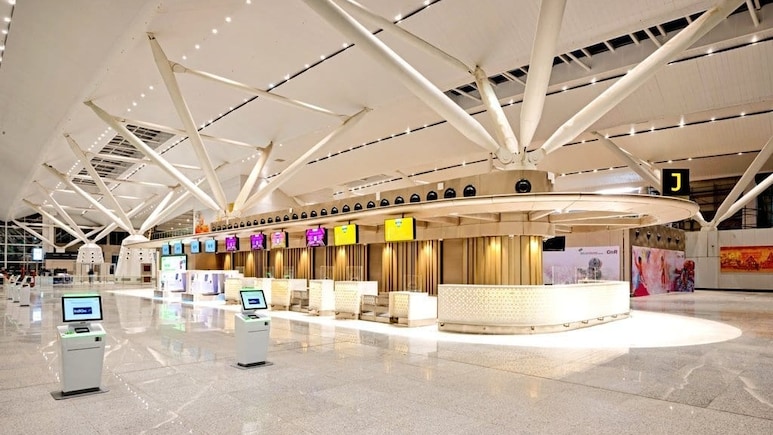
What makes IGIA—and many major airports in India—truly unique is the way art and culture are woven into the travel experience. Many airports in India feel more like museums or galleries than plain transport hubs, with extensive paintings, murals, sculptures, and curated cultural art that make you feel like you’ve stepped into a museum. At Delhi’s IGI Airport, large murals such as “Walled City” depict slices of life in Delhi, while works by renowned artists like Paresh Maity and M.F. Husain are displayed throughout the terminals. Brass and copper art installations add a striking atmosphere, creating visually memorable corridors where passengers experience culture while moving between gates. Similarly, Mumbai’s Chhatrapati Shivaji Maharaj International Airport and Bengaluru’s Kempegowda International Airport showcase thousands of artefacts, murals, and interactive pieces, blending heritage with modernity and making each journey feel like a cultural exploration.

This blend of efficiency, scale, and cultural depth is reflected in IGIA’s global standing. During the last month of 2025, Indira Gandhi International Airport ranked seventh worldwide, recording 4.31 million seats, a 9 percent year-on-year increase. This performance highlights the surge in domestic travel, the steady expansion of international connections, and Delhi Airport’s growing importance as a strategic aviation hub for South Asia—reinforcing its role not merely as a transit point, but as a major global gateway to India.
/english-betterindia/media/post_attachments/uploads/2018/03/Mumbai-Delhi-worlds-best-airports.jpg)
Yet, beyond the modernity, sustainability, and artistic marvels, what made our arrival truly unforgettable was the warmth and hospitality of the human reception—a genuine welcome that set the tone for our stay in India.
Welcomed with Tradition: Shagul Travels PVT. LTD and the Symbolic Mala of Indian Hospitality
Representatives from Shagul Travels PVT. LTD awaited our delegation with open arms, presenting each of us with a mala—a garland of fresh flowers delicately draped around the neck. These garlands, often made from roses, marigolds, jasmine, and sometimes fragrant tuberose or orchids, carry profound cultural, spiritual, and social significance in India. The practice of offering flowers as a sign of welcome or respect has deep roots in Indian history, tracing back thousands of years to Vedic rituals where flowers were used in temples as offerings to deities. Over time, this tradition extended beyond religious ceremonies to encompass social, cultural, and ceremonial greetings.
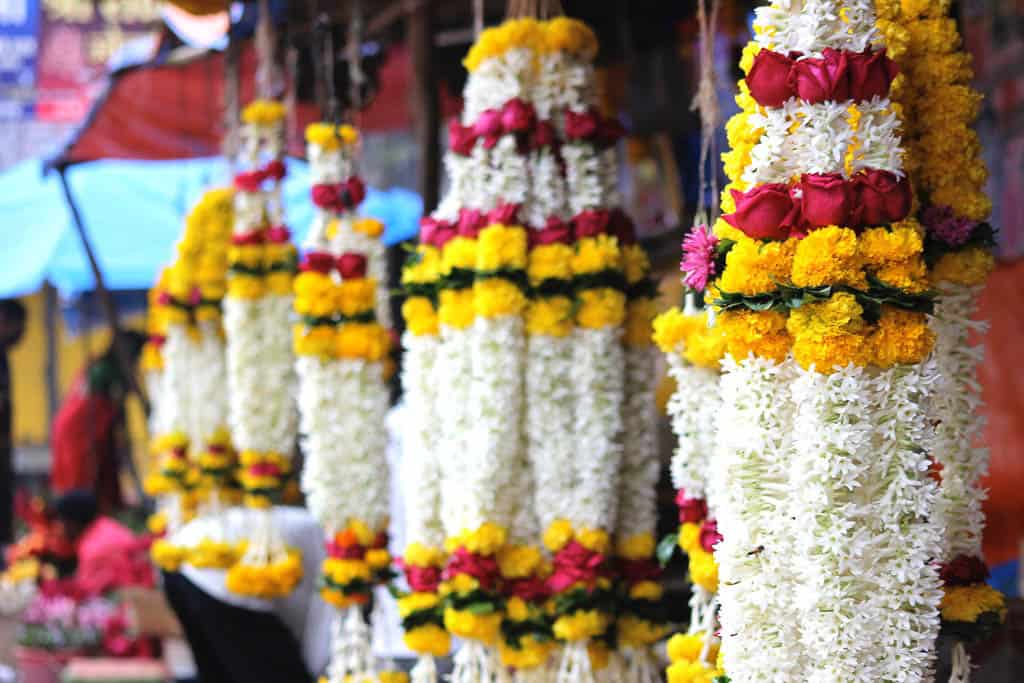
In Indian culture, a mala is not merely decorative; it is a symbol of honor, purity, and auspiciousness. The circular shape of the garland represents continuity, eternal bonds, and the cyclical nature of life. When offered to guests, it conveys not just hospitality but also reverence, respect, and goodwill. The fragrant flowers, gently resting on the shoulders, are believed to purify the aura, ward off negativity, and imbue the wearer with positive energy. Each flower is chosen not only for its beauty but for its symbolism:
- Roses signify love, grace, and admiration.
- Marigolds symbolize auspiciousness, purity, and brightness.
- Jasmine represents divine hope, humility, and spiritual purity.
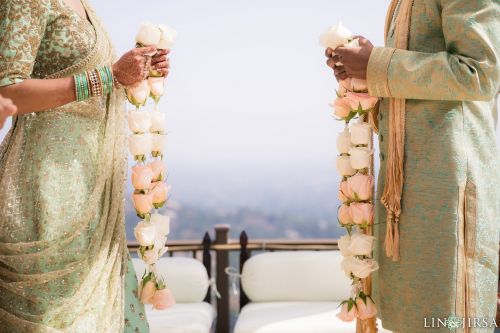
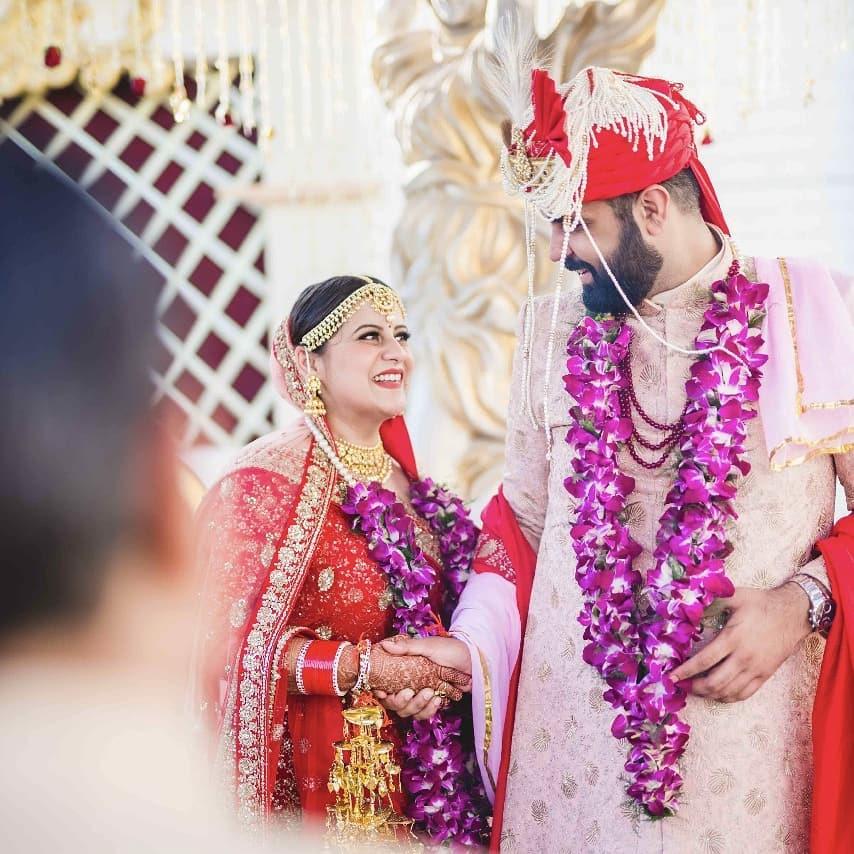
The act of draping a mala over someone’s neck is a ceremonial gesture with multiple layers of meaning. In weddings, the Jaimala or Varamala ceremony is central, where the bride and groom exchange garlands to signify mutual respect, consent, and the beginning of their union. In religious ceremonies, garlands adorn deities and sacred spaces, expressing devotion and spiritual surrender. In official or social gatherings, the mala honors guests, dignitaries, or visitors, establishing a connection that transcends spoken words—a universal gesture of welcome and goodwill.
The preparation of the mala itself is an art. Flowers are carefully selected for freshness, color, fragrance, and symbolism. They are strung together meticulously, sometimes with the addition of leaves, beads, or threads in intricate patterns. Certain malas incorporate sandalwood, marigold petals, or sacred threads to enhance spiritual significance or aesthetic appeal. The fragrance of the flowers, combined with the visual beauty of the colors, creates a multi-sensory experience—sight, smell, and touch all convey respect, warmth, and celebration.
In addition, malas are often context-specific. In traditional Indian hospitality, the type, size, and even the combination of flowers in a garland can convey nuanced messages—high-ranking guests might receive more elaborate garlands with multiple flower varieties, while ceremonial or festival malas can be infused with symbolic colors (e.g., saffron for purity, white for peace, red for celebration). Some regions of India even use seasonal or local flowers, connecting the gesture to nature and the local culture.
Beyond their ceremonial and cultural symbolism, malas have a spiritual and meditative dimension. In Hinduism, Buddhism, and Jainism, mala beads (a smaller, bead-based garland) are used in prayer and meditation, reinforcing the connection between the physical act of offering or wearing flowers and spiritual mindfulness. The garlands offered to our delegation carried this resonance—they were more than decoration; they were a physical manifestation of welcome, trust, and mutual respect, bridging cultural boundaries in an instant.
As the fragrant garlands rested lightly on our shoulders, they communicated warmth, respect, and a profound sense of belonging. Each mala was carefully presented with grace, timing, and attention to ritual detail, reflecting the meticulous thoughtfulness of Shagul Travels PVT. LTD in honoring guests. It was a gesture that immediately set the tone for our journey—an experience that combined sensory delight, cultural education, and emotional resonance.
Shagul Travels PVT LTD is, noteworthy, a private, non‑government company incorporated on 24 November 1999 and registered with the Registrar of Companies in Delhi.
Throughout our engagement, the team from Shagul Travels demonstrated consummate professionalism—anticipating needs, coordinating logistics with precision, and ensuring a smooth and engaging experience at every step. From airport greetings to itinerary planning and on‑ground support, every aspect of our journey was meticulously covered, reflecting their deep local knowledge and commitment to service excellence. As will be evident from the articles to follow, their comprehensive planning and attention to detail played a pivotal role in shaping a trip that was as enriching as it was seamless—an embodiment of Indian hospitality and professional travel management.
Back to my journey, as I stepped out of the terminal, the bustling energy of Delhi immediately enveloped me: the hum of cars, the colorful taxis weaving through traffic, the rhythmic honking, and the city’s unmistakable vibrancy. The airport itself, with its efficient flow and modern design, contrasted yet harmonized beautifully with the ceremonial tradition of the Mala, offering a perfect metaphor for the India we were about to explore—where ancient customs coexist seamlessly with contemporary life.
At that moment, a wave of realization washed over me: this journey was no longer just a plan on paper—it was reality. Each gesture, each detail, from the smooth airport operations to the symbolic floral garlands, heralded the start of an experience that promised discovery, reflection, and a deep appreciation of India’s cultural richness. This was the beginning of India Through Algerian Lenses, and the first step of a journey that would etch vivid memories into the hearts and minds of all of us in the delegation.
From Airport Gates to City Lights: First Encounters with Delhi on the Road
Having smoothly completed all airport formalities, we stepped out to discover India not from a distance, but from its roads—alive, expressive, and endlessly vibrant. Our journey toward Novotel New Delhi City Centre began almost immediately, and with it, our first real immersion into the pulse of the Indian capital. The transition from the structured calm of the airport to the animated rhythm of Delhi’s streets felt seamless, as if the city had been patiently waiting to introduce itself.
The roads of Delhi unfolded before us like a living tapestry. Cars moved in what initially appeared to be a symphony of orchestrated hustle—horns sounding in a steady tick-tock rhythm, not in anger, but as a language of communication. Honking here is not an expression of frustration; it is a form of dialogue, a way of saying “I’m here”, “I’m passing”, or “We share the road.” Colorful taxis, buses, auto-rickshaws, motorcycles, and private cars flowed side by side, each contributing to the city’s unmistakable soundtrack.

On the Road: Where Auto-Rickshaws Tell the Story of Delhi
What struck us most along the road were the ubiquitous green-and-yellow auto-rickshaws, darting effortlessly through traffic like living symbols of the city’s rhythm. These three-wheeled vehicles, locally known as autos, seemed to move with instinctive precision—slipping into narrow gaps, pausing for a second, then surging forward again as if guided by an unspoken code understood by all road users. Their presence added both color and character to Delhi’s streets, turning every intersection into a scene of constant motion and negotiation.
The movement of auto-rickshaws reflected a remarkable form of urban choreography. Drivers communicated through brief horn taps, gestures, and glances, creating a dynamic yet surprisingly fluid flow. The steady tick-tock of horns felt less like noise and more like a pulse—an audible sign that the city was awake, alive, and functioning. Watching autos weave between buses, cars, and motorcycles revealed a system shaped by experience, adaptability, and mutual awareness rather than rigid rules alone.
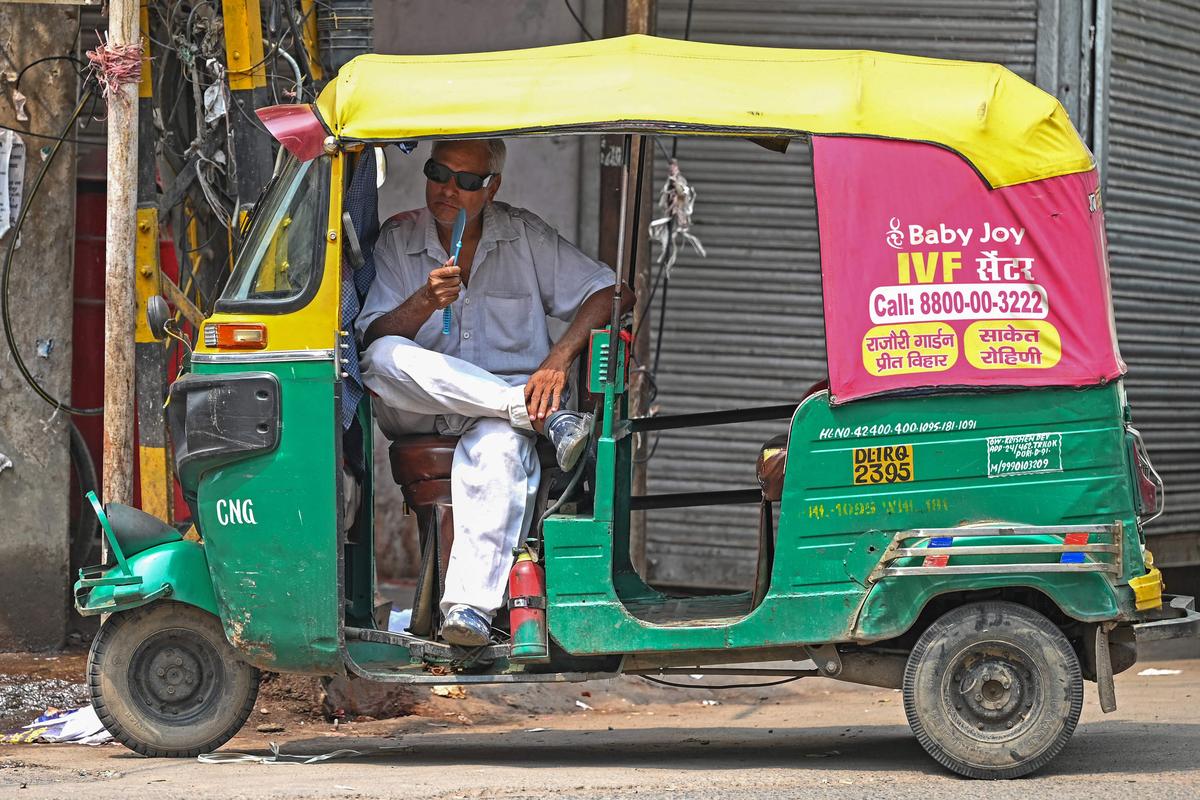
Beyond their practical function, auto-rickshaws embodied the human warmth of Delhi. From behind the handlebars, drivers smiled, laughed, and exchanged remarks with fellow motorists and pedestrians alike. Some greeted acquaintances at traffic lights; others joked with passengers or nodded politely as they passed. These fleeting interactions transformed the road into a social space, where movement and communication merged seamlessly.
Inside our vehicle, these scenes sparked curiosity and conversation. Our accompanying representatives explained how auto-rickshaws serve as the backbone of daily mobility for millions—connecting neighborhoods, markets, metro stations, and workplaces. Mostly powered by CNG, they are not only economical but also part of the city’s broader effort to reduce emissions. Their drivers, they told us, are often keen observers of the city’s moods, its politics, and its daily life—unofficial storytellers of Delhi’s streets.
As we advanced toward the city center, it became clear that the road itself was an introduction to India. The autos, the smiles, the horns, and the effortless coexistence of countless vehicles mirrored the country’s broader character: diverse yet interconnected, fast-moving yet deeply human. It was on these roads, amid green-and-yellow autos and flowing conversations, that India began to feel less like a destination and more like an experience unfolding in real time.

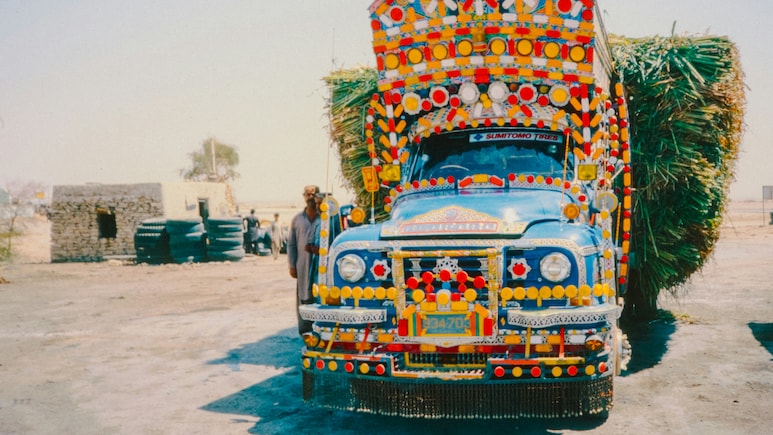
Alongside the ubiquitous auto-rickshaws, a kaleidoscope of colorful trucks wove through Delhi’s streets, each one a moving work of art. Their bright paint, intricate floral patterns, and quirky slogans immediately drew the eye, but it was the protective charms and symbols that revealed a deeper cultural layer. Many trucks bore Nazar Battu—black cloth, lemon-and-chili strings, metal pendants, and figurines—intended to ward off the evil eye and bring safe journeys. Slogans like “Buri Nazar Wale, Tera Muh Kala” (“May the face of the evil-eyed person turn black”) adorned the front and rear, serving as both prayer and warning. These customs, rooted in Hindu faith and local superstition, are far more than ritual; they are an integral part of India’s spiritual and cultural fabric, reflecting how belief and daily life intersect even in the fast-paced world of trucking.
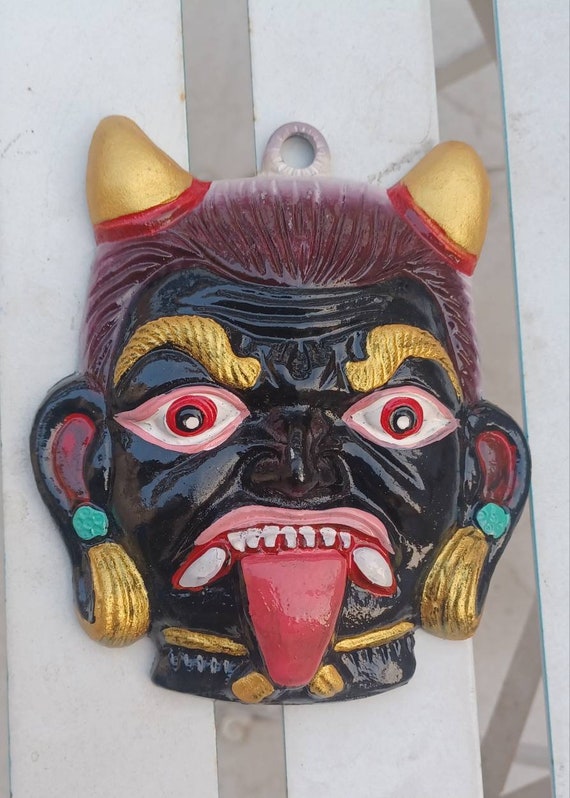
Every truck had its own story. Murals depicted regional legends, deities, or cityscapes, while humorous or personal slogans offered glimpses into the driver’s personality, hometown, or family. The trucks were not merely functional—they were rolling canvases celebrating pride, identity, and creativity. Their bold colors also served practical purposes, improving visibility on crowded highways, particularly at night or during monsoon rains. Passing them, alongside the rhythmic tick-tock of horns and the nimble auto-rickshaws, felt like moving through a living gallery, where commerce, devotion, and artistry coexist seamlessly.


The spectacle extended beyond trucks. Street vendors, motorbikes, cyclists, and pedestrians all interwove into Delhi’s harmonious urban dance. We exchanged smiles and greetings with drivers, who responded with laughter, nods, or waves, sharing a fleeting but genuine human connection amid the city’s vibrancy. Each movement and gesture reflected the warmth, resilience, and humor of Delhi’s people, offering a window into their everyday lives.
This visual and cultural journey reminded us that India’s roads are more than mere transit routes; they are corridors of belief, artistry, and communal identity. The trucks, adorned with protective charms and colorful designs, stood alongside auto-rickshaws and other vehicles as vivid testaments to how tradition, faith, and modernity coexist in daily life—a harmony we will continue exploring in the articles to follow via Dzair Tube.
Beyond the movement and noise, a quiet sense of warmth emerged on the roads. Smiles passed between vehicles, drivers acknowledged one another with laughter or a nod, and the city’s rhythm felt guided by friendliness rather than impatience. Delhi revealed itself welcoming, energetic, and profoundly human.

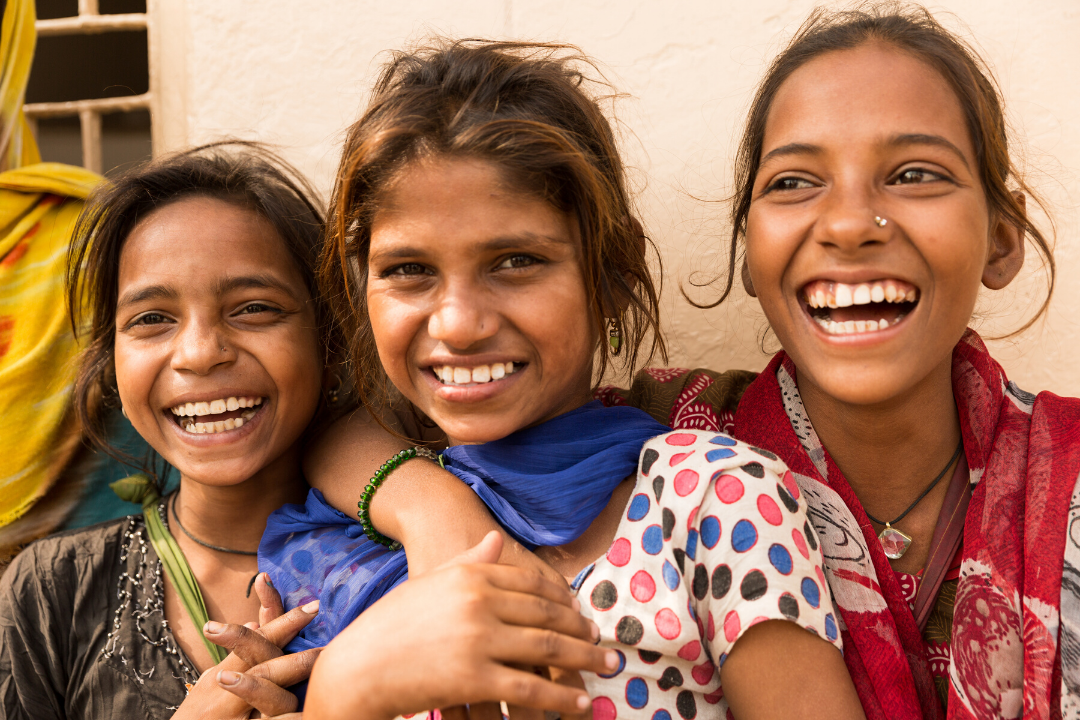
Inside our vehicle, conversation flowed naturally with the representatives accompanying us. Formal introductions quickly gave way to friendly exchanges, light laughter, and spontaneous discussions. They spoke with pride and ease about their city and country, offering insights into daily life, traditions, and modern realities. There was no barrier, no stiffness—only openness, curiosity, and a genuine desire to share. It felt less like being guided and more like being hosted by friends eager to introduce us to their home.
As we drove on, Delhi revealed itself as a city of contrasts and continuity. India’s capital is not only a historic center but also a political and administrative heart. Delhi is a metropolitan territory with a population exceeding 30 million, making it one of the most populous urban regions in the world. It is both a city and a union territory, governed locally while also serving as the seat of India’s federal government.
India itself is a federal republic composed of 28 states and 8 union territories, each with its own linguistic, cultural, and social identity. Spanning approximately 3.28 million square kilometers, India is the seventh-largest country in the world by land area and home to a population exceeding 1.4 billion people, making it the world’s most populous nation. This immense geographic and human diversity is vividly mirrored in Delhi’s streets, where faces, languages, attire, and traditions blend effortlessly. The National Capital Territory of Delhi covers about 1,484 square kilometers and hosts more than 30 million residents, ranking it among the largest urban agglomerations globally. Hindi and English are widely spoken, but countless regional languages coexist, reflecting the country’s vast cultural mosaic.
Our companions explained how India’s democratic system operates—how elections are held regularly at national and state levels, how citizens vote to elect members of parliament, and how power transitions peacefully through the ballot box. India is the world’s largest democracy, with hundreds of millions of voters participating in elections that reflect the will of a remarkably diverse population.
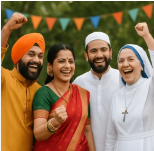
Equally striking was the discussion on religious coexistence. India is home to Hinduism, Islam, Christianity, Sikhism, Buddhism, Jainism, and many other belief systems. Temples, mosques, churches, and gurdwaras often stand within close proximity. Despite differences, daily life reflects coexistence, interaction, and mutual respect—something visible not only in institutions but in everyday encounters, shared streets, and social exchanges.
As our car moved steadily toward the city center, a quiet realization settled in: this journey was not merely geographical. It was cultural, human, and deeply educational. Delhi was already teaching us—through its roads, its people, its conversations—that India is best understood not through statistics alone, but through lived experience.
And this was only the beginning.
As will become clearer in the articles to follow, India reveals itself layer by layer—through its cities, its people, its systems, and above all, its remarkable ability to harmonize diversity into daily life. To be continued.
— 𝐄𝐍𝐃 —

📡🌍 | 𝓐𝓫𝓸𝓾𝓽 𝓓𝔃𝓪𝓲𝓻 𝓣𝓾𝓫𝓮 𝓜𝓮𝓭𝓲𝓪 𝓖𝓻𝓸𝓾𝓹 | 🌍📡
━━━━━━━━━━━━━━━━━━━━━━━━━━━━━━━
📰 𝓓𝔃𝓪𝓲𝓻 𝓣𝓾𝓫𝓮 𝓲𝓼 𝓪 𝓽𝓻𝓪𝓲𝓵𝓫𝓵𝓪𝔃𝓮𝓻 𝓲𝓷 𝓐𝓵𝓰𝓮𝓻𝓲𝓪𝓷 𝓭𝓲𝓰𝓲𝓽𝓪𝓵 𝓳𝓸𝓾𝓻𝓷𝓪𝓵𝓲𝓼𝓶, 𝓭𝓮𝓵𝓲𝓿𝓮𝓻𝓲𝓷𝓰 𝓱𝓲𝓰𝓱-𝓺𝓾𝓪𝓵𝓲𝓽𝔂 𝓬𝓸𝓷𝓽𝓮𝓷𝓽 𝓲𝓷 𝓐𝓻𝓪𝓫𝓲𝓬, 𝓕𝓻𝓮𝓷𝓬𝓱, 𝓪𝓷𝓭 𝓔𝓷𝓰𝓵𝓲𝓼𝓱. 𝓦𝓲𝓽𝓱 𝓶𝓸𝓻𝓮 𝓽𝓱𝓪𝓷 📈 500,000 𝓭𝓪𝓲𝓵𝔂 𝓬𝓵𝓲𝓬𝓴𝓼, 𝓲𝓽 𝓻𝓪𝓷𝓴𝓼 𝓪𝓶𝓸𝓷𝓰 𝓽𝓱𝓮 𝓶𝓸𝓼𝓽 𝓲𝓷𝓯𝓵𝓾𝓮𝓷𝓽𝓲𝓪𝓵 𝓶𝓮𝓭𝓲𝓪 𝓹𝓵𝓪𝓽𝓯𝓸𝓻𝓶𝓼 𝓲𝓷 𝓽𝓱𝓮 𝓬𝓸𝓾𝓷𝓽𝓻𝔂.🏆 𝓐𝔀𝓪𝓻𝓭𝓮𝓭 𝓽𝓱𝓮 𝓟𝓻𝓮𝓼𝓲𝓭𝓮𝓷𝓽 𝓸𝓯 𝓽𝓱𝓮 𝓡𝓮𝓹𝓾𝓫𝓵𝓲𝓬’𝓼 𝓟𝓻𝓲𝔃𝓮 𝓯𝓸𝓻 𝓟𝓻𝓸𝓯𝓮𝓼𝓼𝓲𝓸𝓷𝓪𝓵 𝓙𝓸𝓾𝓻𝓷𝓪𝓵𝓲𝓼𝓽 𝓲𝓷 𝓽𝓱𝓮 𝓔𝓵𝓮𝓬𝓽𝓻𝓸𝓷𝓲𝓬 𝓟𝓻𝓮𝓼𝓼 𝓬𝓪𝓽𝓮𝓰𝓸𝓻𝔂 (🗓 𝓞𝓬𝓽𝓸𝓫𝓮𝓻 22, 2022), 𝓓𝔃𝓪𝓲𝓻 𝓣𝓾𝓫𝓮 𝓲𝓼 𝔀𝓲𝓭𝓮𝓵𝔂 𝓻𝓮𝓬𝓸𝓰𝓷𝓲𝔃𝓮𝓭 𝓯𝓸𝓻 𝓲𝓽𝓼 𝓮𝓭𝓲𝓽𝓸𝓻𝓲𝓪𝓵 𝓮𝔁𝓬𝓮𝓵𝓵𝓮𝓷𝓬𝓮 𝓪𝓷𝓭 𝓲𝓷𝓽𝓮𝓰𝓻𝓲𝓽𝔂.
📱 𝓜𝓪𝓼𝓼𝓲𝓿𝓮 𝓓𝓲𝓰𝓲𝓽𝓪𝓵 𝓡𝓮𝓪𝓬𝓱:
🔴 600,000+ 𝓨𝓸𝓾𝓣𝓾𝓫𝓮 𝓼𝓾𝓫𝓼𝓬𝓻𝓲𝓫𝓮𝓻𝓼
🔵 6 𝓶𝓲𝓵𝓵𝓲𝓸𝓷+ 𝓯𝓸𝓵𝓵𝓸𝔀𝓮𝓻𝓼 𝓪𝓬𝓻𝓸𝓼𝓼 𝓕𝓪𝓬𝓮𝓫𝓸𝓸𝓴 𝓹𝓪𝓰𝓮𝓼
📸 70,000+ 𝓘𝓷𝓼𝓽𝓪𝓰𝓻𝓪𝓶 𝓯𝓸𝓵𝓵𝓸𝔀𝓮𝓻𝓼🎥 𝓞𝓹𝓮𝓻𝓪𝓽𝓲𝓷𝓰 𝓯𝓻𝓸𝓶 𝓼𝓽𝓪𝓽𝓮-𝓸𝓯-𝓽𝓱𝓮-𝓪𝓻𝓽 𝓼𝓽𝓾𝓭𝓲𝓸𝓼, 𝓓𝔃𝓪𝓲𝓻 𝓣𝓾𝓫𝓮 𝓫𝓻𝓸𝓪𝓭𝓬𝓪𝓼𝓽𝓼 𝓻𝓲𝓬𝓱 𝓪𝓷𝓭 𝓭𝓲𝓿𝓮𝓻𝓼𝓮 𝓹𝓻𝓸𝓰𝓻𝓪𝓶𝓶𝓲𝓷𝓰, 𝓲𝓷𝓬𝓵𝓾𝓭𝓲𝓷𝓰:
🗞 𝓝𝓮𝔀𝓼 | ⚽ 𝓢𝓹𝓸𝓻𝓽𝓼 | 🎭 𝓔𝓷𝓽𝓮𝓻𝓽𝓪𝓲𝓷𝓶𝓮𝓷𝓽 | 🕌 𝓡𝓮𝓵𝓲𝓰𝓲𝓸𝓷 | 🎨 𝓒𝓾𝓵𝓽𝓾𝓻𝓮🗣️ 𝓕𝓮𝓪𝓽𝓾𝓻𝓲𝓷𝓰 𝓲𝓷𝓽𝓮𝓻𝓪𝓬𝓽𝓲𝓿𝓮 𝓽𝓪𝓵𝓴 𝓼𝓱𝓸𝔀𝓼 𝓪𝓷𝓭 𝓮𝔁𝓬𝓵𝓾𝓼𝓲𝓿𝓮 𝓲𝓷𝓽𝓮𝓻𝓿𝓲𝓮𝔀𝓼 𝔀𝓲𝓽𝓱 𝓹𝓻𝓸𝓶𝓲𝓷𝓮𝓷𝓽 𝓯𝓲𝓰𝓾𝓻𝓮𝓼 𝓯𝓻𝓸𝓶 𝓹𝓸𝓵𝓲𝓽𝓲𝓬𝓼, 𝓫𝓾𝓼𝓲𝓷𝓮𝓼𝓼, 𝓪𝓻𝓽𝓼, 𝓪𝓷𝓭 𝓶𝓸𝓻𝓮, 𝓓𝔃𝓪𝓲𝓻 𝓣𝓾𝓫𝓮 𝓼𝓮𝓻𝓿𝓮𝓼 𝓪𝓼 𝓪 𝓴𝓮𝔂 𝓹𝓵𝓪𝓽𝓯𝓸𝓻𝓶 𝓯𝓸𝓻 𝓹𝓾𝓫𝓵𝓲𝓬 𝓭𝓲𝓼𝓬𝓸𝓾𝓻𝓼𝓮 𝓪𝓷𝓭 𝓬𝓲𝓿𝓲𝓬 𝓮𝓷𝓰𝓪𝓰𝓮𝓶𝓮𝓷𝓽.
📰 𝓘𝓽𝓼 𝓹𝓻𝓲𝓷𝓽 𝓼𝓹𝓸𝓻𝓽𝓼 𝓭𝓪𝓲𝓵𝔂, “𝓓𝔃𝓪𝓲𝓻 𝓢𝓹𝓸𝓻𝓽,” 𝓮𝓷𝓳𝓸𝔂𝓼 𝓸𝓿𝓮𝓻 50,000 𝓭𝓪𝓲𝓵𝔂 𝓭𝓸𝔀𝓷𝓵𝓸𝓪𝓭𝓼 𝓿𝓲𝓪 𝓽𝓱𝓮 𝓸𝓯𝓯𝓲𝓬𝓲𝓪𝓵 𝔀𝓮𝓫𝓼𝓲𝓽𝓮—𝓯𝓾𝓻𝓽𝓱𝓮𝓻 𝓬𝓮𝓶𝓮𝓷𝓽𝓲𝓷𝓰 𝓽𝓱𝓮 𝓹𝓵𝓪𝓽𝓯𝓸𝓻𝓶’𝓼 𝓶𝓾𝓵𝓽𝓲𝓶𝓮𝓭𝓲𝓪 𝓵𝓮𝓪𝓭𝓮𝓻𝓼𝓱𝓲𝓹.
🎖️ 𝓗𝓸𝓷𝓸𝓻𝓮𝓭 𝔀𝓲𝓽𝓱 𝓽𝓱𝓮 𝓜𝓮𝓭𝓲𝓪 𝓛𝓮𝓪𝓭𝓮𝓻𝓼𝓱𝓲𝓹 𝓐𝔀𝓪𝓻𝓭 𝓫𝔂 𝓽𝓱𝓮 𝓯𝓸𝓻𝓶𝓮𝓻 𝓜𝓲𝓷𝓲𝓼𝓽𝓮𝓻 𝓸𝓯 𝓒𝓸𝓶𝓶𝓾𝓷𝓲𝓬𝓪𝓽𝓲𝓸𝓷, 𝓜𝓸𝓱𝓪𝓶𝓮𝓭 𝓛𝓪â𝓰𝓪𝓫, 𝓪𝓷𝓭 𝓬𝓮𝓵𝓮𝓫𝓻𝓪𝓽𝓮𝓭 𝓪𝓽 𝓽𝓱𝓮 𝓗𝓲𝓵𝓪𝓵𝓼 𝓸𝓯 𝓽𝓱𝓮 𝓣𝓮𝓵𝓮𝓿𝓲𝓼𝓲𝓸𝓷 𝓪𝔀𝓪𝓻𝓭𝓼, 𝓓𝔃𝓪𝓲𝓻 𝓣𝓾𝓫𝓮 𝓬𝓸𝓷𝓽𝓲𝓷𝓾𝓮𝓼 𝓽𝓸 𝓵𝓮𝓪𝓭 𝔀𝓲𝓽𝓱 𝓲𝓷𝓷𝓸𝓿𝓪𝓽𝓲𝓸𝓷, 𝓲𝓷𝓯𝓵𝓾𝓮𝓷𝓬𝓮, 𝓪𝓷𝓭 𝓲𝓶𝓹𝓪𝓬𝓽.
━━━━━━━━━━━━━━━━━━━━━━━━━━━━━━━
🌐 𝓢𝓽𝓪𝔂 𝓒𝓸𝓷𝓷𝓮𝓬𝓽𝓮𝓭:
🔗 𝓦𝓮𝓫𝓼𝓲𝓽𝓮: www.dzair-tube.dz
🔗 𝓔𝓷𝓰𝓵𝓲𝓼𝓱: www.dzair-tube.dz/en
📲 𝓕𝓸𝓵𝓵𝓸𝔀 𝓾𝓼 𝓸𝓷 𝓕𝓪𝓬𝓮𝓫𝓸𝓸𝓴 | 𝓘𝓷𝓼𝓽𝓪𝓰𝓻𝓪𝓶 | 𝓨𝓸𝓾𝓣𝓾𝓫𝓮
━━━━━━━━━━━━━━━━━━━━━━━━━━━━━━━


