


Millions of Iranians March on Quds Day… As the Nation Rallies Around Its Leadership, Trump Rebrands Them a “Nation of Terror and Hate”
✍️ BY: Dr. Hana Saada
ALGIERS, March 14th, 2026 — This year’s observance of International Quds Day in Iran proved far more than a symbolic annual commemoration marking the final Friday of the holy month of Ramadan. It emerged as a moment of exceptional political clarity—laying bare the fragility of narratives long cultivated in Western political discourse regarding the supposed fragmentation of Iranian society. Across the country—from Tehran to Mashhad, Isfahan, Qom, and Tabriz—millions surged into streets and public squares in vast demonstrations of solidarity with Palestine and Jerusalem, reaffirming the enduring centrality of the Palestinian cause within Iran’s collective political consciousness.
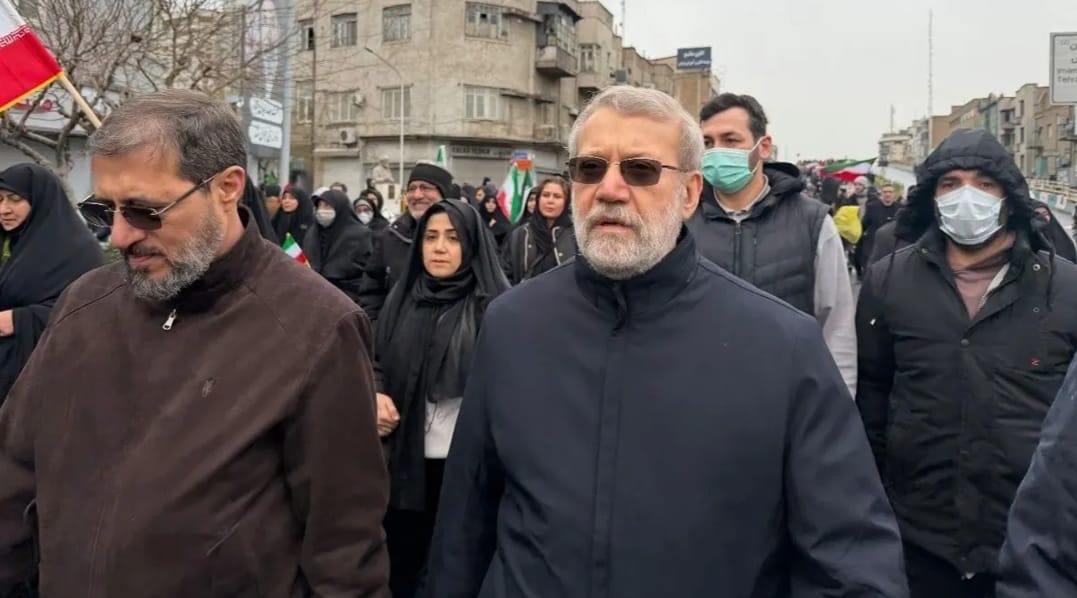
The scenes from Iranian cities carried unmistakable symbolic and geopolitical resonance. Immense crowds advanced through avenues and squares with remarkable cohesion, Palestinian flags rising above the demonstrators while chants intertwined religious conviction with political defiance. At a time when certain Western narratives attempt to depict Iran as a society beset by internal discord or political fragility, the streets conveyed an entirely different reality: a politically mobilized public capable of articulating its position on regional and global affairs with clarity, cohesion, and conviction.
The imagery gained further significance through the visible presence of senior Iranian officials walking among the crowds. Rather than appearing behind fortified security perimeters or speaking solely through carefully curated statements, leading figures of the state joined citizens directly in the streets, marching alongside them and sharing the same civic space. The symbolism was unmistakable: a model of political legitimacy grounded in proximity to the public rather than distance from it—a leadership that recognizes the street as a legitimate arena of civic and political expression.
This dynamic invites stark comparison with the political climate inside the Zionist entity. While millions filled Iranian streets in open, disciplined demonstrations, Zionist Prime Minister Benjamin Netanyahu was conducting high-level consultations largely within heavily guarded, insulated environments, often via remote communication or closed-door meetings. The contrast is profound: one leadership embedded within public mobilization, the other increasingly shielded from the very population it governs.
Yet the most revealing dimension of this year’s Quds Day demonstrations lies in what they exposed about the shifting rhetoric emanating from Washington. When the full-scale American-Zionist war against Iran was launched, Donald Trump framed the military offensive as an operation undertaken in the name of the Iranian people themselves. According to this narrative, the war was directed at Iran’s leadership, not its population, with the stated purpose of “liberating” Iranians and restoring their freedom.
That narrative quickly proved fragile in the face of reality. Iranian citizens have been taking to the streets night after night under full-scale war conditions, responding to external aggression not in fear but with resolve. In the days preceding Quds Day, repeated nightly demonstrations filled cities across the country, culminating on the day itself with millions in streets, demonstrating a unity and political resilience that defied the expectations of Washington and its allies.
Faced with this spectacle, the rhetoric from Washington shifted abruptly. The language of liberation evaporated, replaced by sweeping condemnation. In a stark example of this reversal, Trump declared Iran to be “a nation of terror and hate.” The transformation was telling: the claim to defend the Iranian people was conditional, valid only as long as the populace conformed to external expectations. Once Iranians demonstrated solidarity with their state and each other, the narrative of liberation collapsed, replaced by vilification.
Such reversals expose a deeper pattern that frequently characterizes the discourse of geopolitical aggression. Appeals to human rights and “liberation” are often instruments of political messaging, used to justify coercion, sanctions, or war. Yet when societies refuse to conform, assert their sovereignty, and mobilize publicly, the tone shifts from empathy to hostility with striking speed.
In this sense, the Quds Day marches represented far more than solidarity with Palestine. They were an unplanned yet potent referendum on the resilience of a nation under sustained external pressure. The millions in Iran’s streets were not merely supporting a distant cause; they were asserting national sovereignty, political independence, and an unbreakable collective identity.
Equally significant was the continuity of nightly mobilizations before the day itself. The phenomenon cannot be reduced to a single-day demonstration orchestrated for symbolic purposes. It reflected a broader civic dynamic rooted in national consciousness, defiance of external aggression, and political cohesion.
For observers of political sociology, the lesson is unmistakable. Societies whose identity is anchored in shared conviction do not fragment under external pressure—they consolidate. Attempts to fracture them from outside often achieve the opposite effect, reinforcing bonds between citizens and state institutions.
The scenes from Iran vividly demonstrated this principle. Rather than producing the anticipated divisions, the pressure strengthened the sense of collective identity. The streets became the stage where a society articulated its refusal to be defined by narratives constructed beyond its borders.
In conclusion, the spectacle of millions marching across Iran delivered a decisive rebuke to the assumption that coercion alone can reshape a nation’s political will. The anticipated collapse did not occur; the expected fractures never appeared. The response was disciplined, confident, and politically articulate mass mobilization.
The irony is profound. Those who claimed to act in the name of the Iranian people now denounce them when they assert their voice. The rhetoric of liberation, stripped of its veneer, exposes its true purpose: the attempt to impose political outcomes through intimidation and war.
History offers a consistent lesson: nations whose identity is rooted in shared conviction rarely yield to external dictates. When sovereignty is internalized as a collective principle, external pressure ceases to enforce submission and instead catalyzes deeper unity.
The millions who marched on Quds Day conveyed that message powerfully. They responded to aggression not with silence, but with presence—visible, disciplined, and politically articulate.
Those who wagered on division faced unity. Those who anticipated fear confronted determination. And those who sought to fracture a society discovered that, under the weight of aggression, it had become something far more formidable: a nation bound together by the conviction that its sovereignty and dignity are not negotiable.
— 𝐄𝐍𝐃 —
📡🌍 | 𝓐𝓫𝓸𝓾𝓽 𝓓𝔃𝓪𝓲𝓻 𝓣𝓾𝓫𝓮 𝓜𝓮𝓭𝓲𝓪 𝓖𝓻𝓸𝓾𝓹 | 🌍📡
━━━━━━━━━━━━━━━━━━━━━━━━━━━━━━━
📰 𝓓𝔃𝓪𝓲𝓻 𝓣𝓾𝓫𝓮 𝓲𝓼 𝓪 𝓽𝓻𝓪𝓲𝓵𝓫𝓵𝓪𝔃𝓮𝓻 𝓲𝓷 𝓐𝓵𝓰𝓮𝓻𝓲𝓪𝓷 𝓭𝓲𝓰𝓲𝓽𝓪𝓵 𝓳𝓸𝓾𝓻𝓷𝓪𝓵𝓲𝓼𝓶, 𝓭𝓮𝓵𝓲𝓿𝓮𝓻𝓲𝓷𝓰 𝓱𝓲𝓰𝓱-𝓺𝓾𝓪𝓵𝓲𝓽𝔂 𝓬𝓸𝓷𝓽𝓮𝓷𝓽 𝓲𝓷 𝓐𝓻𝓪𝓫𝓲𝓬, 𝓕𝓻𝓮𝓷𝓬𝓱, 𝓪𝓷𝓭 𝓔𝓷𝓰𝓵𝓲𝓼𝓱. 𝓦𝓲𝓽𝓱 𝓶𝓸𝓻𝓮 𝓽𝓱𝓪𝓷 📈 500,000 𝓭𝓪𝓲𝓵𝔂 𝓬𝓵𝓲𝓬𝓴𝓼, 𝓲𝓽 𝓻𝓪𝓷𝓴𝓼 𝓪𝓶𝓸𝓷𝓰 𝓽𝓱𝓮 𝓶𝓸𝓼𝓽 𝓲𝓷𝓯𝓵𝓾𝓮𝓷𝓽𝓲𝓪𝓵 𝓶𝓮𝓭𝓲𝓪 𝓹𝓵𝓪𝓽𝓯𝓸𝓻𝓶𝓼 𝓲𝓷 𝓽𝓱𝓮 𝓬𝓸𝓾𝓷𝓽𝓻𝔂.🏆 𝓐𝔀𝓪𝓻𝓭𝓮𝓭 𝓽𝓱𝓮 𝓟𝓻𝓮𝓼𝓲𝓭𝓮𝓷𝓽 𝓸𝓯 𝓽𝓱𝓮 𝓡𝓮𝓹𝓾𝓫𝓵𝓲𝓬’𝓼 𝓟𝓻𝓲𝔃𝓮 𝓯𝓸𝓻 𝓟𝓻𝓸𝓯𝓮𝓼𝓼𝓲𝓸𝓷𝓪𝓵 𝓙𝓸𝓾𝓻𝓷𝓪𝓵𝓲𝓼𝓽 𝓲𝓷 𝓽𝓱𝓮 𝓔𝓵𝓮𝓬𝓽𝓻𝓸𝓷𝓲𝓬 𝓟𝓻𝓮𝓼𝓼 𝓬𝓪𝓽𝓮𝓰𝓸𝓻𝔂 (🗓 𝓞𝓬𝓽𝓸𝓫𝓮𝓻 22, 2022), 𝓓𝔃𝓪𝓲𝓻 𝓣𝓾𝓫𝓮 𝓲𝓼 𝔀𝓲𝓭𝓮𝓵𝔂 𝓻𝓮𝓬𝓸𝓰𝓷𝓲𝔃𝓮𝓭 𝓯𝓸𝓻 𝓲𝓽𝓼 𝓮𝓭𝓲𝓽𝓸𝓻𝓲𝓪𝓵 𝓮𝔁𝓬𝓮𝓵𝓵𝓮𝓷𝓬𝓮 𝓪𝓷𝓭 𝓲𝓷𝓽𝓮𝓰𝓻𝓲𝓽𝔂.
📱 𝓜𝓪𝓼𝓼𝓲𝓿𝓮 𝓓𝓲𝓰𝓲𝓽𝓪𝓵 𝓡𝓮𝓪𝓬𝓱:
🔴 600,000+ 𝓨𝓸𝓾𝓣𝓾𝓫𝓮 𝓼𝓾𝓫𝓼𝓬𝓻𝓲𝓫𝓮𝓻𝓼
🔵 6 𝓶𝓲𝓵𝓵𝓲𝓸𝓷+ 𝓯𝓸𝓵𝓵𝓸𝔀𝓮𝓻𝓼 𝓪𝓬𝓻𝓸𝓼𝓼 𝓕𝓪𝓬𝓮𝓫𝓸𝓸𝓴 𝓹𝓪𝓰𝓮𝓼
📸 70,000+ 𝓘𝓷𝓼𝓽𝓪𝓰𝓻𝓪𝓶 𝓯𝓸𝓵𝓵𝓸𝔀𝓮𝓻𝓼🎥 𝓞𝓹𝓮𝓻𝓪𝓽𝓲𝓷𝓰 𝓯𝓻𝓸𝓶 𝓼𝓽𝓪𝓽𝓮-𝓸𝓯-𝓽𝓱𝓮-𝓪𝓻𝓽 𝓼𝓽𝓾𝓭𝓲𝓸𝓼, 𝓓𝔃𝓪𝓲𝓻 𝓣𝓾𝓫𝓮 𝓫𝓻𝓸𝓪𝓭𝓬𝓪𝓼𝓽𝓼 𝓻𝓲𝓬𝓱 𝓪𝓷𝓭 𝓭𝓲𝓿𝓮𝓻𝓼𝓮 𝓹𝓻𝓸𝓰𝓻𝓪𝓶𝓶𝓲𝓷𝓰, 𝓲𝓷𝓬𝓵𝓾𝓭𝓲𝓷𝓰:
🗞 𝓝𝓮𝔀𝓼 | ⚽ 𝓢𝓹𝓸𝓻𝓽𝓼 | 🎭 𝓔𝓷𝓽𝓮𝓻𝓽𝓪𝓲𝓷𝓶𝓮𝓷𝓽 | 🕌 𝓡𝓮𝓵𝓲𝓰𝓲𝓸𝓷 | 🎨 𝓒𝓾𝓵𝓽𝓾𝓻𝓮🗣️ 𝓕𝓮𝓪𝓽𝓾𝓻𝓲𝓷𝓰 𝓲𝓷𝓽𝓮𝓻𝓪𝓬𝓽𝓲𝓿𝓮 𝓽𝓪𝓵𝓴 𝓼𝓱𝓸𝔀𝓼 𝓪𝓷𝓭 𝓮𝔁𝓬𝓵𝓾𝓼𝓲𝓿𝓮 𝓲𝓷𝓽𝓮𝓻𝓿𝓲𝓮𝔀𝓼 𝔀𝓲𝓽𝓱 𝓹𝓻𝓸𝓶𝓲𝓷𝓮𝓷𝓽 𝓯𝓲𝓰𝓾𝓻𝓮𝓼 𝓯𝓻𝓸𝓶 𝓹𝓸𝓵𝓲𝓽𝓲𝓬𝓼, 𝓫𝓾𝓼𝓲𝓷𝓮𝓼𝓼, 𝓪𝓻𝓽𝓼, 𝓪𝓷𝓭 𝓶𝓸𝓻𝓮, 𝓓𝔃𝓪𝓲𝓻 𝓣𝓾𝓫𝓮 𝓼𝓮𝓻𝓿𝓮𝓼 𝓪𝓼 𝓪 𝓴𝓮𝔂 𝓹𝓵𝓪𝓽𝓯𝓸𝓻𝓶 𝓯𝓸𝓻 𝓹𝓾𝓫𝓵𝓲𝓬 𝓭𝓲𝓼𝓬𝓸𝓾𝓻𝓼𝓮 𝓪𝓷𝓭 𝓬𝓲𝓿𝓲𝓬 𝓮𝓷𝓰𝓪𝓰𝓮𝓶𝓮𝓷𝓽.
📰 𝓘𝓽𝓼 𝓹𝓻𝓲𝓷𝓽 𝓼𝓹𝓸𝓻𝓽𝓼 𝓭𝓪𝓲𝓵𝔂, “𝓓𝔃𝓪𝓲𝓻 𝓢𝓹𝓸𝓻𝓽,” 𝓮𝓷𝓳𝓸𝔂𝓼 𝓸𝓿𝓮𝓻 50,000 𝓭𝓪𝓲𝓵𝔂 𝓭𝓸𝔀𝓷𝓵𝓸𝓪𝓭𝓼 𝓿𝓲𝓪 𝓽𝓱𝓮 𝓸𝓯𝓯𝓲𝓬𝓲𝓪𝓵 𝔀𝓮𝓫𝓼𝓲𝓽𝓮—𝓯𝓾𝓻𝓽𝓱𝓮𝓻 𝓬𝓮𝓶𝓮𝓷𝓽𝓲𝓷𝓰 𝓽𝓱𝓮 𝓹𝓵𝓪𝓽𝓯𝓸𝓻𝓶’𝓼 𝓶𝓾𝓵𝓽𝓲𝓶𝓮𝓭𝓲𝓪 𝓵𝓮𝓪𝓭𝓮𝓻𝓼𝓱𝓲𝓹.
🎖️ 𝓗𝓸𝓷𝓸𝓻𝓮𝓭 𝔀𝓲𝓽𝓱 𝓽𝓱𝓮 𝓜𝓮𝓭𝓲𝓪 𝓛𝓮𝓪𝓭𝓮𝓻𝓼𝓱𝓲𝓹 𝓐𝔀𝓪𝓻𝓭 𝓫𝔂 𝓽𝓱𝓮 𝓯𝓸𝓻𝓶𝓮𝓻 𝓜𝓲𝓷𝓲𝓼𝓽𝓮𝓻 𝓸𝓯 𝓒𝓸𝓶𝓶𝓾𝓷𝓲𝓬𝓪𝓽𝓲𝓸𝓷, 𝓜𝓸𝓱𝓪𝓶𝓮𝓭 𝓛𝓪â𝓰𝓪𝓫, 𝓪𝓷𝓭 𝓬𝓮𝓵𝓮𝓫𝓻𝓪𝓽𝓮𝓭 𝓪𝓽 𝓽𝓱𝓮 𝓗𝓲𝓵𝓪𝓵𝓼 𝓸𝓯 𝓽𝓱𝓮 𝓣𝓮𝓵𝓮𝓿𝓲𝓼𝓲𝓸𝓷 𝓪𝔀𝓪𝓻𝓭𝓼, 𝓓𝔃𝓪𝓲𝓻 𝓣𝓾𝓫𝓮 𝓬𝓸𝓷𝓽𝓲𝓷𝓾𝓮𝓼 𝓽𝓸 𝓵𝓮𝓪𝓭 𝔀𝓲𝓽𝓱 𝓲𝓷𝓷𝓸𝓿𝓪𝓽𝓲𝓸𝓷, 𝓲𝓷𝓯𝓵𝓾𝓮𝓷𝓬𝓮, 𝓪𝓷𝓭 𝓲𝓶𝓹𝓪𝓬𝓽.
━━━━━━━━━━━━━━━━━━━━━━━━━━━━━━━
🌐 𝓢𝓽𝓪𝔂 𝓒𝓸𝓷𝓷𝓮𝓬𝓽𝓮𝓭:
🔗 𝓦𝓮𝓫𝓼𝓲𝓽𝓮: www.dzair-tube.dz
🔗 𝓔𝓷𝓰𝓵𝓲𝓼𝓱: www.dzair-tube.dz/en
📲 𝓕𝓸𝓵𝓵𝓸𝔀 𝓾𝓼 𝓸𝓷 𝓕𝓪𝓬𝓮𝓫𝓸𝓸𝓴 | 𝓘𝓷𝓼𝓽𝓪𝓰𝓻𝓪𝓶 | 𝓨𝓸𝓾𝓣𝓾𝓫𝓮
━━━━━━━━━━━━━━━━━━━━━━━━━━━━━━━


