


When Seasons Speak the Same Language: Yennayer and India’s Mid-January Festivals as Civilizational Bridges
✍️ 𝓑𝔂: 𝓓𝓻. 𝓗𝓪𝓷𝓪 𝓢𝓪𝓪𝓭𝓪
𝓐𝓵𝓰𝓲𝓮𝓻𝓼 – 𝓙𝓪𝓷𝓾𝓪𝓻𝔂 𝟐𝟎𝟐𝟔 – Travel has a peculiar power: it does not merely reveal the “other,” it often returns us to ourselves with sharper awareness. It was only after my visit to India, after days of immersion in daily life, conversations, rituals, and seasonal celebrations, that a deeper realization took shape. What initially appeared as distant traditions gradually revealed striking points of familiarity. In India’s harvest festivals, I encountered echoes of Yennayer, the Amazigh New Year celebrated across Algeria. What unfolded was not a coincidence of folklore, but a convergence of civilizations shaped by agriculture, memory, and collective continuity.
Mid-January is a quiet but decisive moment in the life of civilizations.
It does not announce itself through political calendars or institutional decrees, but through the land itself: the easing of winter, the memory of harvests just completed, and the collective anticipation of renewal.
It was during my recent visit to India, at precisely this time of the year, that I began to recognize something deeply familiar beneath the apparent diversity of rituals, languages, and landscapes. As I immersed myself in Indian culture, I discovered that what was unfolding before my eyes was not foreign at all. It echoed, almost instinctively, the rhythms of Yennayer, Algeria’s Amazigh New Year.
What initially appeared as parallel traditions gradually revealed themselves as expressions of a shared civilizational grammar — one rooted in agriculture, astronomy, gratitude, and social cohesion.
Yennayer in Algeria: Time Measured by the Earth
In Algeria, January 12 marks the celebration of Yennayer, the Amazigh New Year, which ushers in the year 2976 according to the Amazigh calendar. Far from being a folkloric survival, Yennayer represents one of North Africa’s oldest living relationships with time, land, and community.
Officially recognized as a paid national holiday in 2018, following the constitutional recognition of Tamazight as a national and official language, Yennayer had long existed as a social reality before becoming a legal one. Its roots lie deep within the agricultural history of North Africa and the collective memory of its people.
Historians associate the Amazigh calendar with the year 950 BCE, often linked — though debated — to the victory of the Amazigh king Shoshenq I over the Pharaoh Ramesses III and his subsequent ascension to the Egyptian throne. Whether interpreted as historical fact or symbolic narrative, the reference underscores a foundational idea: renewal through sovereignty and continuity.
According to other researchers at the National Center for Prehistoric, Anthropological and Historical Research (CNRPAH), Yennayer is not merely a festive date, but a civilizational marker rooted in the Numidian era, preceding Roman presence in North Africa. Algerian scholars explain that it originally marked the conclusion of the agricultural year and the symbolic entry into a new cycle of labor, hope, and renewal. The festival was historically a moment of assessment—of reserves, harvests, and social balance—before becoming, over time, a cultural celebration infused with ritual and symbolism.
Beyond written history, Yennayer is shaped by popular mythology. One of the most enduring legends is that of the obstinate old woman who defied the cold of January by grazing her goat, prompting nature to retaliate with harsher frost. This allegory, transmitted orally across generations, emphasizes coexistence with nature, patience, and humility before environmental forces.
Rituals of Abundance and Solidarity in Algeria
Across Algeria, Yennayer is celebrated through diverse regional customs, all anchored in agriculture and collective welfare.
In many areas, families slaughter livestock and distribute meat to the needy — a practice known locally as “Louzîa” — reinforcing social solidarity.

Large platters of sweets, dried fruits, and nuts are ceremonially poured over the heads of children, symbolizing wishes for prosperity, joy, and abundance in the coming year.
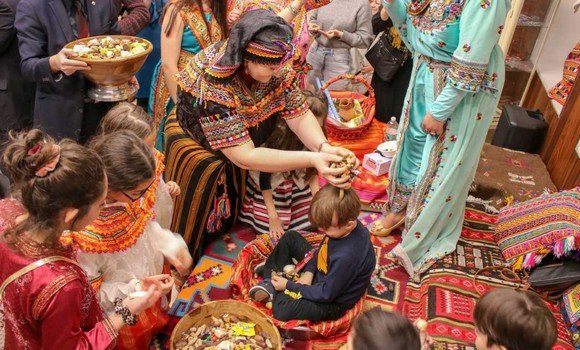
Traditional foods dominate the celebration. Couscous, in its countless regional variations, remains central, while ghraif (known elsewhere as baghrir) and dishes made from wheat, barley, legumes, butter, and honey reflect gratitude toward the land. Some families plant olive trees on Yennayer’s morning, transforming celebration into an act of future-oriented stewardship.
The heart of the celebration is “Imensi n Yennayer” — the Yennayer dinner — where families gather around tables prepared exclusively from agricultural produce. This meal is not simply nourishment; it is a ritual reaffirmation of humanity’s dependence on the soil. Across Algeria, the preparation of Yennayer dishes is a collaborative effort among family members. In some regions, elderly women lead the making of “Thghrifin” or “Thaghrifth”, sweet pancakes reminiscent of baghrir, chanting blessings and traditional songs that vary by locality. These pancakes are sometimes used for divination: a small portion of unsolidified dough, called “Aabour”, is placed on three stones around the fire, known in Tamazight as “Aniyen”, which is extremely hot. The patterns and reactions of the dough are interpreted to predict the year ahead.
In other areas, families prepare couscous with capon (eshad), often carved by the eldest woman, usually the grandmother. The capon’s breast is served to the oldest family member, legs to the children, and wings to daughters, symbolizing fertility and future marriages. Larger families may slaughter multiple birds, accompanied by traditional dishes like baghrir, khfaf, and assorted sweets distributed to children, followed by stories and teachings from mothers and grandmothers. The “Shercham” dish, considered an omen for fertility, and couscous with capon meat together mark the dawn of the new year.
In the Aurès region, Yennayer, pronounced with a doubled “n” as “Yennar”, revolves around preparing homes and hearths for renewal. Women play a central role, cleaning houses with roots, palm fronds, or local herbs like wormwood and rosemary, renewing the fire hearth by replacing old stones, and preparing new cooking areas. These rituals are deeply symbolic of leaving behind the past year, embracing abundance, and welcoming a prosperous future.
The Aurès feast traditionally features two main dishes: “Irchmen” (Shercham) and couscous, both cooked with capon as the centerpiece. These meals are shared communally from a single large dish, emphasizing family unity and cooperation. The day before Yennayer, known in some areas as “Mzelgh”, is marked by anticipation and anxiety, symbolic of the transition from hardship to celebration. Families also engage in ancient games such as Thaqoust or Thakourth, a stick-and-ball game similar to hockey, and participate in folkloric performances and carnivals like the Chaïb Ashura festival in Takout, where historical and theatrical representations merge with music, dance, and storytelling.

Every gesture during Yennayer, from planting olive trees to distributing sweets to children, from preparing special couscous to divining the new year’s fortune, is steeped in symbolism. It celebrates the cyclical nature of agriculture, the sanctity of the earth, and the social cohesion of extended families. In Algeria, whether in the Aurès, Tizi Ouzou, Bejaia, Ghardaia, or other regions, the festival embodies a living heritage, linking the present to millennia-old traditions while reaffirming communal ties, generosity, and respect for nature.
India’s Mid-January Festivals: One Solar Moment, Many Names
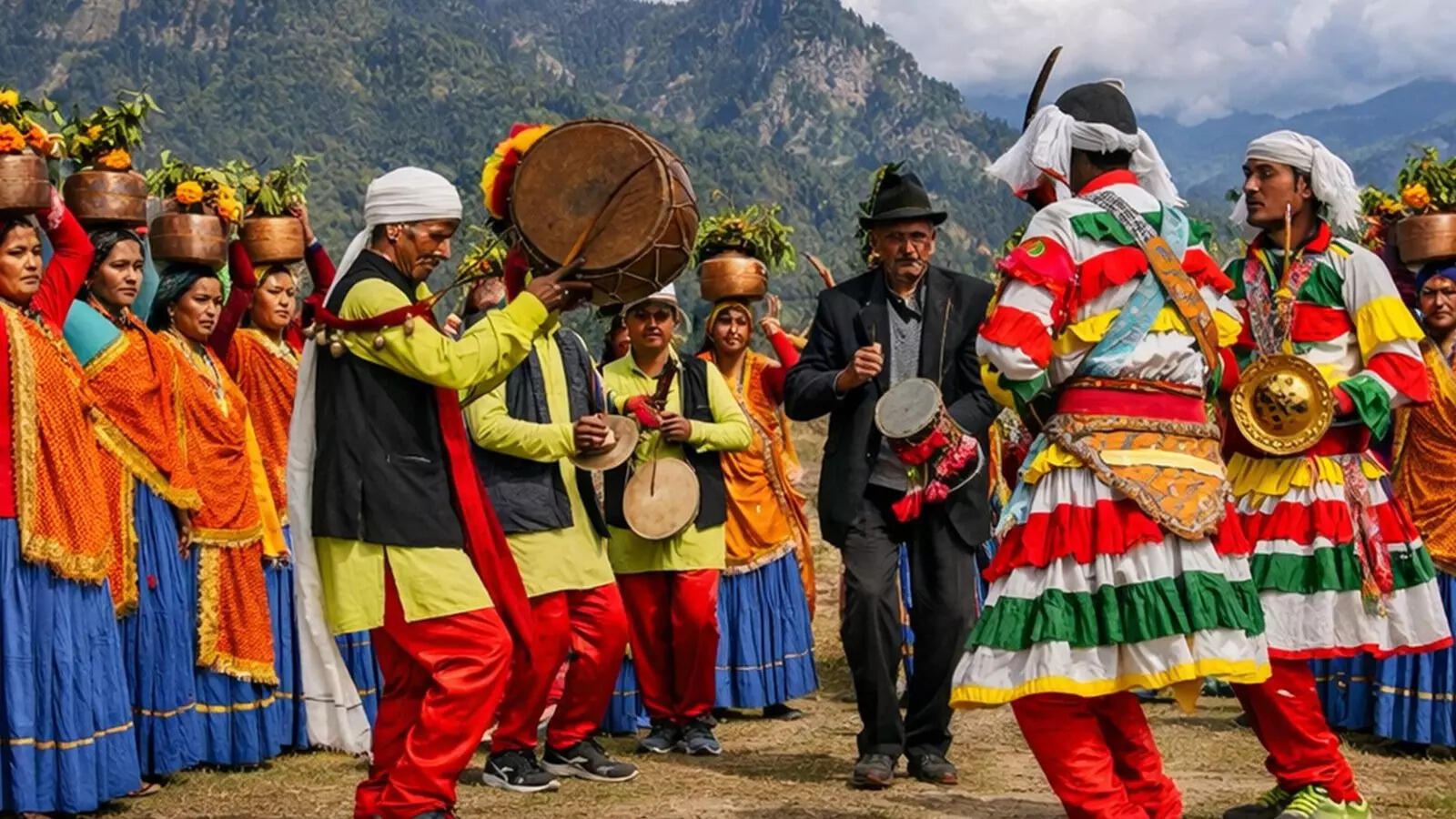
While Algeria welcomes Yennayer, India enters its own threshold of renewal during mid-January. Anchored in astronomy and agriculture, this period marks the Sun’s transition into Capricorn — Makar Sankranti — and the beginning of Uttarayan, the Sun’s northward journey.
Unlike most Indian festivals governed by the lunar calendar, Makar Sankranti follows the solar cycle and arrives with remarkable consistency each year. Yet its unity lies not in uniformity, but in diversity.
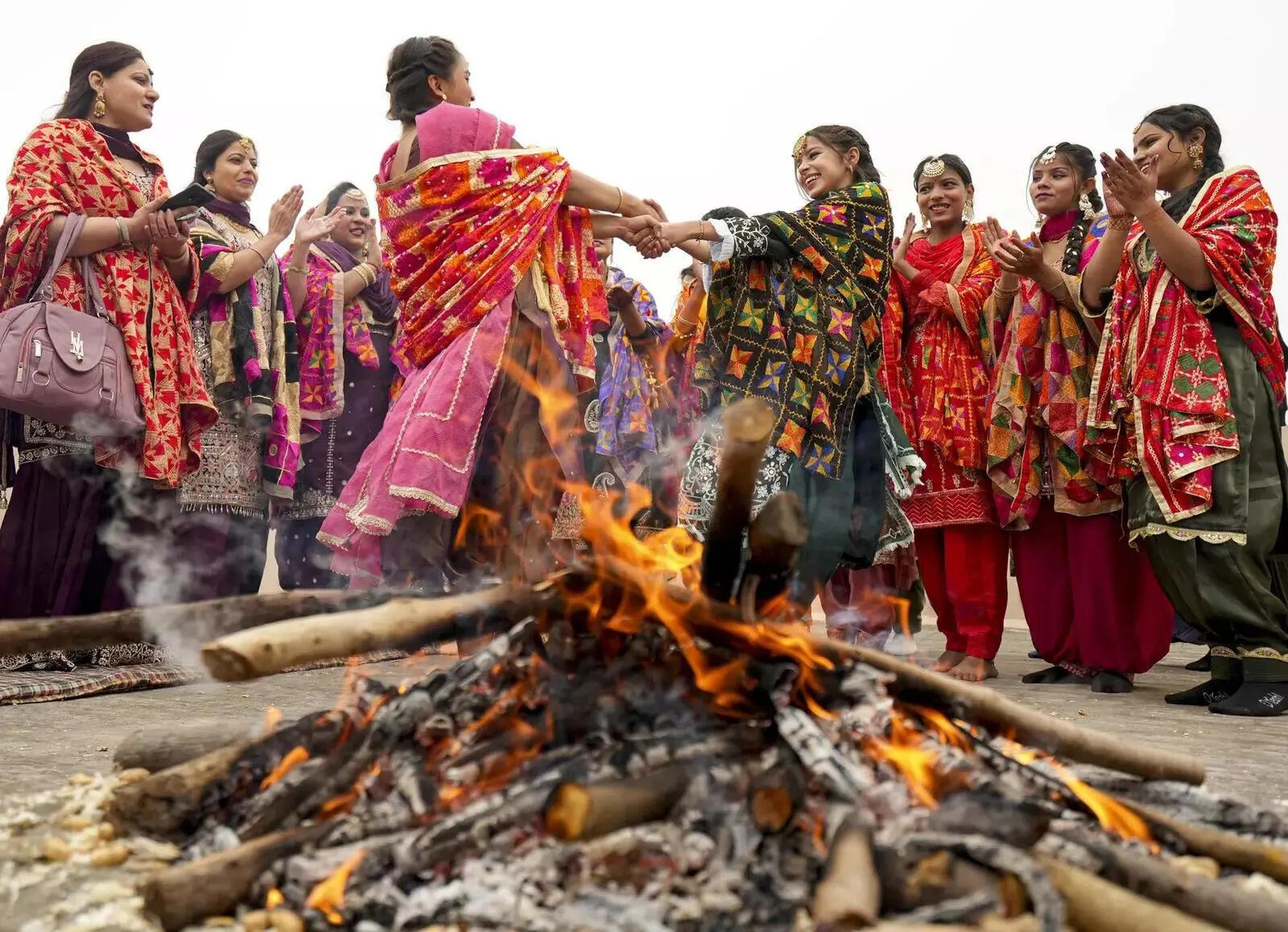
In Punjab and Haryana, the season ignites as Lohri, celebrated on the coldest winter night. Communities gather around bonfires, tossing sesame seeds, jaggery, peanuts, and popcorn into the flames while singing folk songs and dancing bhangra and gidda. Fire becomes both altar and social magnet — a symbol of warmth, gratitude, and shared endurance.
In Uttar Pradesh, Bihar, Rajasthan, and Madhya Pradesh, Makar Sankranti carries a devotional tone. At dawn, devotees take ritual dips in rivers — most famously the Ganges — believing the waters cleanse negativity and usher renewal. Kitchens prepare khichdi, made from new rice and lentils, alongside sesame sweets that warm the body during winter.
In Assam, the season unfolds as Magh Bihu, a multi-day celebration of completed harvests and full granaries. Bonfires, communal feasting, and energetic Bihu dances mark a moment of collective relief and abundance.
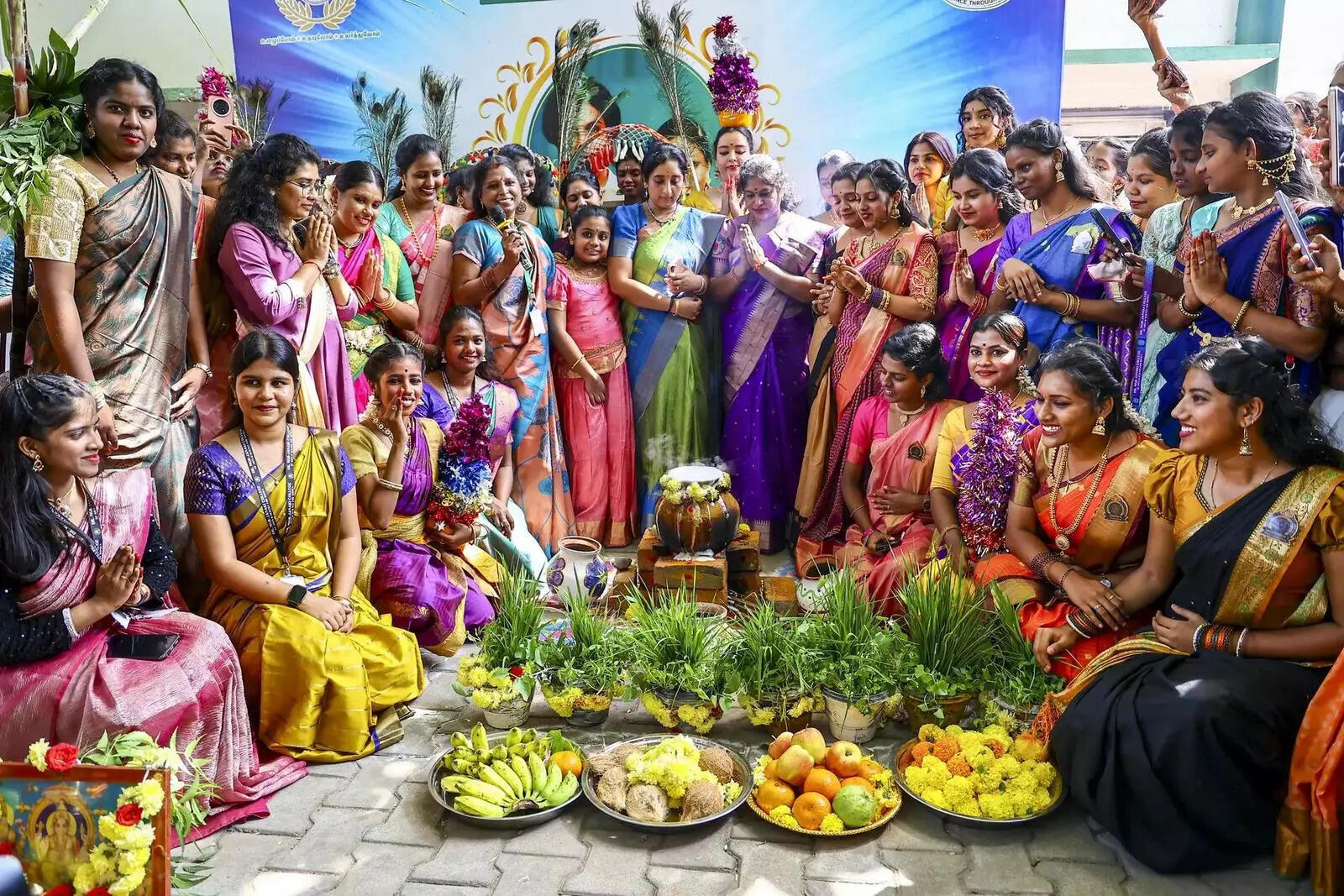
In Tamil Nadu, Pongal spans four days, each dedicated to a different aspect of life. Fresh rice is cooked in open pots and offered to the Sun; cattle are decorated and worshipped for their role in agriculture; and homes are adorned with intricate kolam designs. No other festival places animals at the center of ritual gratitude as powerfully as Pongal.
Elsewhere, the same solar shift becomes Uttarayan in Gujarat — a sky filled with kites — Sakraat in Maharashtra and Rajasthan — a day of sesame sweets and social reconciliation — or Pedda Panduga in Andhra Pradesh and Telangana, where ancestors, harvests, and household prosperity converge.
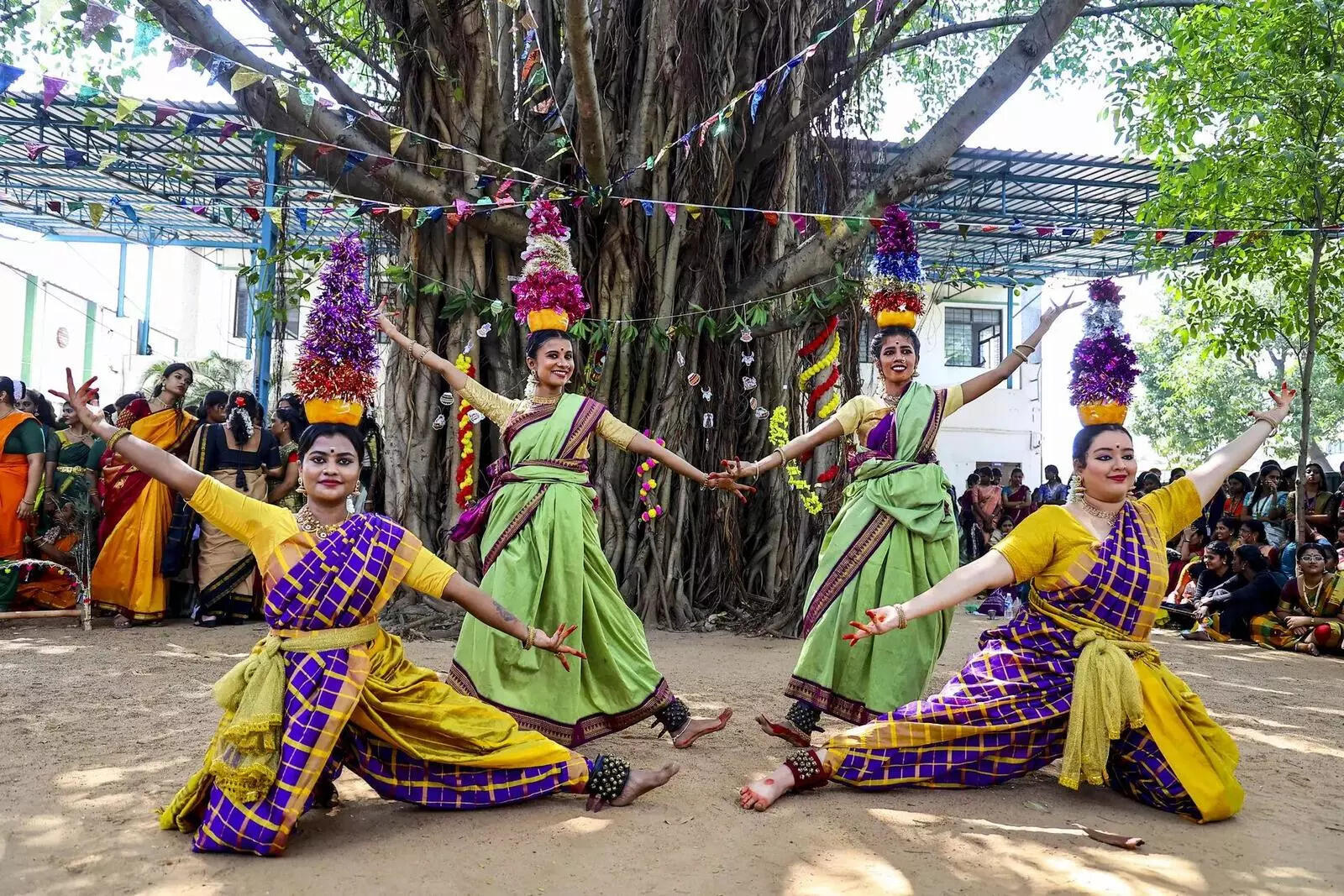
Even in regions where Sankranti is not dominant, such as Nagaland, the same mid-winter period is marked through festivals like Tsungkamnyo, asserting cultural identity, heritage, and continuity.
Shared Civilizational Logic: Land, Light, and Gratitude
As I moved through these celebrations in India, what struck me most was not their diversity, but their philosophical alignment with Yennayer.
Across Algeria and India alike, mid-January rituals share fundamental principles:
-
Agriculture as the basis of time
-
Gratitude toward natural forces — sun, earth, water
-
Food as social memory
-
Rituals that prioritize community over spectacle
-
Renewal framed as moral, not merely temporal
Bathing rituals symbolize purification; offerings precede consumption; and abundance is meaningful only when shared.
In an era where humanity’s relationship with nature is increasingly strained, these traditions quietly insist on a different worldview — one of coexistence rather than domination.
From Cultural Discovery to Cultural Diplomacy
What began for me as a visit to India evolved into a moment of cultural recognition. The distance between Algeria and India dissolved, replaced by a shared seasonal consciousness that transcends language, religion, and geography.
Yennayer and Makar Sankranti do not merely coexist on the calendar; they dialogue across civilizations. They remind us that diplomacy does not begin in conference halls, but in kitchens, fields, fires, and shared meals.
At a time when global narratives emphasize division, these festivals affirm something quieter but more enduring:
that civilizations survive not by erasing their roots, but by recognizing them in others.
Assegas Ameggaz.
And may every new year bring humanity closer to its earth, its memory, and itself.
— 𝐄𝐍𝐃 —

📡🌍 | 𝓐𝓫𝓸𝓾𝓽 𝓓𝔃𝓪𝓲𝓻 𝓣𝓾𝓫𝓮 𝓜𝓮𝓭𝓲𝓪 𝓖𝓻𝓸𝓾𝓹 | 🌍📡
━━━━━━━━━━━━━━━━━━━━━━━━━━━━━━━
📰 𝓓𝔃𝓪𝓲𝓻 𝓣𝓾𝓫𝓮 𝓲𝓼 𝓪 𝓽𝓻𝓪𝓲𝓵𝓫𝓵𝓪𝔃𝓮𝓻 𝓲𝓷 𝓐𝓵𝓰𝓮𝓻𝓲𝓪𝓷 𝓭𝓲𝓰𝓲𝓽𝓪𝓵 𝓳𝓸𝓾𝓻𝓷𝓪𝓵𝓲𝓼𝓶, 𝓭𝓮𝓵𝓲𝓿𝓮𝓻𝓲𝓷𝓰 𝓱𝓲𝓰𝓱-𝓺𝓾𝓪𝓵𝓲𝓽𝔂 𝓬𝓸𝓷𝓽𝓮𝓷𝓽 𝓲𝓷 𝓐𝓻𝓪𝓫𝓲𝓬, 𝓕𝓻𝓮𝓷𝓬𝓱, 𝓪𝓷𝓭 𝓔𝓷𝓰𝓵𝓲𝓼𝓱. 𝓦𝓲𝓽𝓱 𝓶𝓸𝓻𝓮 𝓽𝓱𝓪𝓷 📈 500,000 𝓭𝓪𝓲𝓵𝔂 𝓬𝓵𝓲𝓬𝓴𝓼, 𝓲𝓽 𝓻𝓪𝓷𝓴𝓼 𝓪𝓶𝓸𝓷𝓰 𝓽𝓱𝓮 𝓶𝓸𝓼𝓽 𝓲𝓷𝓯𝓵𝓾𝓮𝓷𝓽𝓲𝓪𝓵 𝓶𝓮𝓭𝓲𝓪 𝓹𝓵𝓪𝓽𝓯𝓸𝓻𝓶𝓼 𝓲𝓷 𝓽𝓱𝓮 𝓬𝓸𝓾𝓷𝓽𝓻𝔂.🏆 𝓐𝔀𝓪𝓻𝓭𝓮𝓭 𝓽𝓱𝓮 𝓟𝓻𝓮𝓼𝓲𝓭𝓮𝓷𝓽 𝓸𝓯 𝓽𝓱𝓮 𝓡𝓮𝓹𝓾𝓫𝓵𝓲𝓬’𝓼 𝓟𝓻𝓲𝔃𝓮 𝓯𝓸𝓻 𝓟𝓻𝓸𝓯𝓮𝓼𝓼𝓲𝓸𝓷𝓪𝓵 𝓙𝓸𝓾𝓻𝓷𝓪𝓵𝓲𝓼𝓽 𝓲𝓷 𝓽𝓱𝓮 𝓔𝓵𝓮𝓬𝓽𝓻𝓸𝓷𝓲𝓬 𝓟𝓻𝓮𝓼𝓼 𝓬𝓪𝓽𝓮𝓰𝓸𝓻𝔂 (🗓 𝓞𝓬𝓽𝓸𝓫𝓮𝓻 22, 2022), 𝓓𝔃𝓪𝓲𝓻 𝓣𝓾𝓫𝓮 𝓲𝓼 𝔀𝓲𝓭𝓮𝓵𝔂 𝓻𝓮𝓬𝓸𝓰𝓷𝓲𝔃𝓮𝓭 𝓯𝓸𝓻 𝓲𝓽𝓼 𝓮𝓭𝓲𝓽𝓸𝓻𝓲𝓪𝓵 𝓮𝔁𝓬𝓮𝓵𝓵𝓮𝓷𝓬𝓮 𝓪𝓷𝓭 𝓲𝓷𝓽𝓮𝓰𝓻𝓲𝓽𝔂.
📱 𝓜𝓪𝓼𝓼𝓲𝓿𝓮 𝓓𝓲𝓰𝓲𝓽𝓪𝓵 𝓡𝓮𝓪𝓬𝓱:
🔴 600,000+ 𝓨𝓸𝓾𝓣𝓾𝓫𝓮 𝓼𝓾𝓫𝓼𝓬𝓻𝓲𝓫𝓮𝓻𝓼
🔵 6 𝓶𝓲𝓵𝓵𝓲𝓸𝓷+ 𝓯𝓸𝓵𝓵𝓸𝔀𝓮𝓻𝓼 𝓪𝓬𝓻𝓸𝓼𝓼 𝓕𝓪𝓬𝓮𝓫𝓸𝓸𝓴 𝓹𝓪𝓰𝓮𝓼
📸 70,000+ 𝓘𝓷𝓼𝓽𝓪𝓰𝓻𝓪𝓶 𝓯𝓸𝓵𝓵𝓸𝔀𝓮𝓻𝓼🎥 𝓞𝓹𝓮𝓻𝓪𝓽𝓲𝓷𝓰 𝓯𝓻𝓸𝓶 𝓼𝓽𝓪𝓽𝓮-𝓸𝓯-𝓽𝓱𝓮-𝓪𝓻𝓽 𝓼𝓽𝓾𝓭𝓲𝓸𝓼, 𝓓𝔃𝓪𝓲𝓻 𝓣𝓾𝓫𝓮 𝓫𝓻𝓸𝓪𝓭𝓬𝓪𝓼𝓽𝓼 𝓻𝓲𝓬𝓱 𝓪𝓷𝓭 𝓭𝓲𝓿𝓮𝓻𝓼𝓮 𝓹𝓻𝓸𝓰𝓻𝓪𝓶𝓶𝓲𝓷𝓰, 𝓲𝓷𝓬𝓵𝓾𝓭𝓲𝓷𝓰:
🗞 𝓝𝓮𝔀𝓼 | ⚽ 𝓢𝓹𝓸𝓻𝓽𝓼 | 🎭 𝓔𝓷𝓽𝓮𝓻𝓽𝓪𝓲𝓷𝓶𝓮𝓷𝓽 | 🕌 𝓡𝓮𝓵𝓲𝓰𝓲𝓸𝓷 | 🎨 𝓒𝓾𝓵𝓽𝓾𝓻𝓮🗣️ 𝓕𝓮𝓪𝓽𝓾𝓻𝓲𝓷𝓰 𝓲𝓷𝓽𝓮𝓻𝓪𝓬𝓽𝓲𝓿𝓮 𝓽𝓪𝓵𝓴 𝓼𝓱𝓸𝔀𝓼 𝓪𝓷𝓭 𝓮𝔁𝓬𝓵𝓾𝓼𝓲𝓿𝓮 𝓲𝓷𝓽𝓮𝓻𝓿𝓲𝓮𝔀𝓼 𝔀𝓲𝓽𝓱 𝓹𝓻𝓸𝓶𝓲𝓷𝓮𝓷𝓽 𝓯𝓲𝓰𝓾𝓻𝓮𝓼 𝓯𝓻𝓸𝓶 𝓹𝓸𝓵𝓲𝓽𝓲𝓬𝓼, 𝓫𝓾𝓼𝓲𝓷𝓮𝓼𝓼, 𝓪𝓻𝓽𝓼, 𝓪𝓷𝓭 𝓶𝓸𝓻𝓮, 𝓓𝔃𝓪𝓲𝓻 𝓣𝓾𝓫𝓮 𝓼𝓮𝓻𝓿𝓮𝓼 𝓪𝓼 𝓪 𝓴𝓮𝔂 𝓹𝓵𝓪𝓽𝓯𝓸𝓻𝓶 𝓯𝓸𝓻 𝓹𝓾𝓫𝓵𝓲𝓬 𝓭𝓲𝓼𝓬𝓸𝓾𝓻𝓼𝓮 𝓪𝓷𝓭 𝓬𝓲𝓿𝓲𝓬 𝓮𝓷𝓰𝓪𝓰𝓮𝓶𝓮𝓷𝓽.
📰 𝓘𝓽𝓼 𝓹𝓻𝓲𝓷𝓽 𝓼𝓹𝓸𝓻𝓽𝓼 𝓭𝓪𝓲𝓵𝔂, “𝓓𝔃𝓪𝓲𝓻 𝓢𝓹𝓸𝓻𝓽,” 𝓮𝓷𝓳𝓸𝔂𝓼 𝓸𝓿𝓮𝓻 50,000 𝓭𝓪𝓲𝓵𝔂 𝓭𝓸𝔀𝓷𝓵𝓸𝓪𝓭𝓼 𝓿𝓲𝓪 𝓽𝓱𝓮 𝓸𝓯𝓯𝓲𝓬𝓲𝓪𝓵 𝔀𝓮𝓫𝓼𝓲𝓽𝓮—𝓯𝓾𝓻𝓽𝓱𝓮𝓻 𝓬𝓮𝓶𝓮𝓷𝓽𝓲𝓷𝓰 𝓽𝓱𝓮 𝓹𝓵𝓪𝓽𝓯𝓸𝓻𝓶’𝓼 𝓶𝓾𝓵𝓽𝓲𝓶𝓮𝓭𝓲𝓪 𝓵𝓮𝓪𝓭𝓮𝓻𝓼𝓱𝓲𝓹.
🎖️ 𝓗𝓸𝓷𝓸𝓻𝓮𝓭 𝔀𝓲𝓽𝓱 𝓽𝓱𝓮 𝓜𝓮𝓭𝓲𝓪 𝓛𝓮𝓪𝓭𝓮𝓻𝓼𝓱𝓲𝓹 𝓐𝔀𝓪𝓻𝓭 𝓫𝔂 𝓽𝓱𝓮 𝓯𝓸𝓻𝓶𝓮𝓻 𝓜𝓲𝓷𝓲𝓼𝓽𝓮𝓻 𝓸𝓯 𝓒𝓸𝓶𝓶𝓾𝓷𝓲𝓬𝓪𝓽𝓲𝓸𝓷, 𝓜𝓸𝓱𝓪𝓶𝓮𝓭 𝓛𝓪â𝓰𝓪𝓫, 𝓪𝓷𝓭 𝓬𝓮𝓵𝓮𝓫𝓻𝓪𝓽𝓮𝓭 𝓪𝓽 𝓽𝓱𝓮 𝓗𝓲𝓵𝓪𝓵𝓼 𝓸𝓯 𝓽𝓱𝓮 𝓣𝓮𝓵𝓮𝓿𝓲𝓼𝓲𝓸𝓷 𝓪𝔀𝓪𝓻𝓭𝓼, 𝓓𝔃𝓪𝓲𝓻 𝓣𝓾𝓫𝓮 𝓬𝓸𝓷𝓽𝓲𝓷𝓾𝓮𝓼 𝓽𝓸 𝓵𝓮𝓪𝓭 𝔀𝓲𝓽𝓱 𝓲𝓷𝓷𝓸𝓿𝓪𝓽𝓲𝓸𝓷, 𝓲𝓷𝓯𝓵𝓾𝓮𝓷𝓬𝓮, 𝓪𝓷𝓭 𝓲𝓶𝓹𝓪𝓬𝓽.
━━━━━━━━━━━━━━━━━━━━━━━━━━━━━━━
🌐 𝓢𝓽𝓪𝔂 𝓒𝓸𝓷𝓷𝓮𝓬𝓽𝓮𝓭:
🔗 𝓦𝓮𝓫𝓼𝓲𝓽𝓮: www.dzair-tube.dz
🔗 𝓔𝓷𝓰𝓵𝓲𝓼𝓱: www.dzair-tube.dz/en
📲 𝓕𝓸𝓵𝓵𝓸𝔀 𝓾𝓼 𝓸𝓷 𝓕𝓪𝓬𝓮𝓫𝓸𝓸𝓴 | 𝓘𝓷𝓼𝓽𝓪𝓰𝓻𝓪𝓶 | 𝓨𝓸𝓾𝓣𝓾𝓫𝓮
━━━━━━━━━━━━━━━━━━━━━━━━━━━━━━━


